Short answer
Trimming frequency depends on the species, the age of the tree, where it sits relative to your house, and what you want from it. A young live oak, a mature laurel oak over a roof, and a queen palm are three completely different schedules.
Here is the cycle we recommend to customers around St. Augustine.
The general cycles
For most residential properties in Northeast Florida, these intervals work.
Why young trees are the exception worth paying attention to
Almost nobody prunes young trees, and it is the biggest missed opportunity in residential tree care.
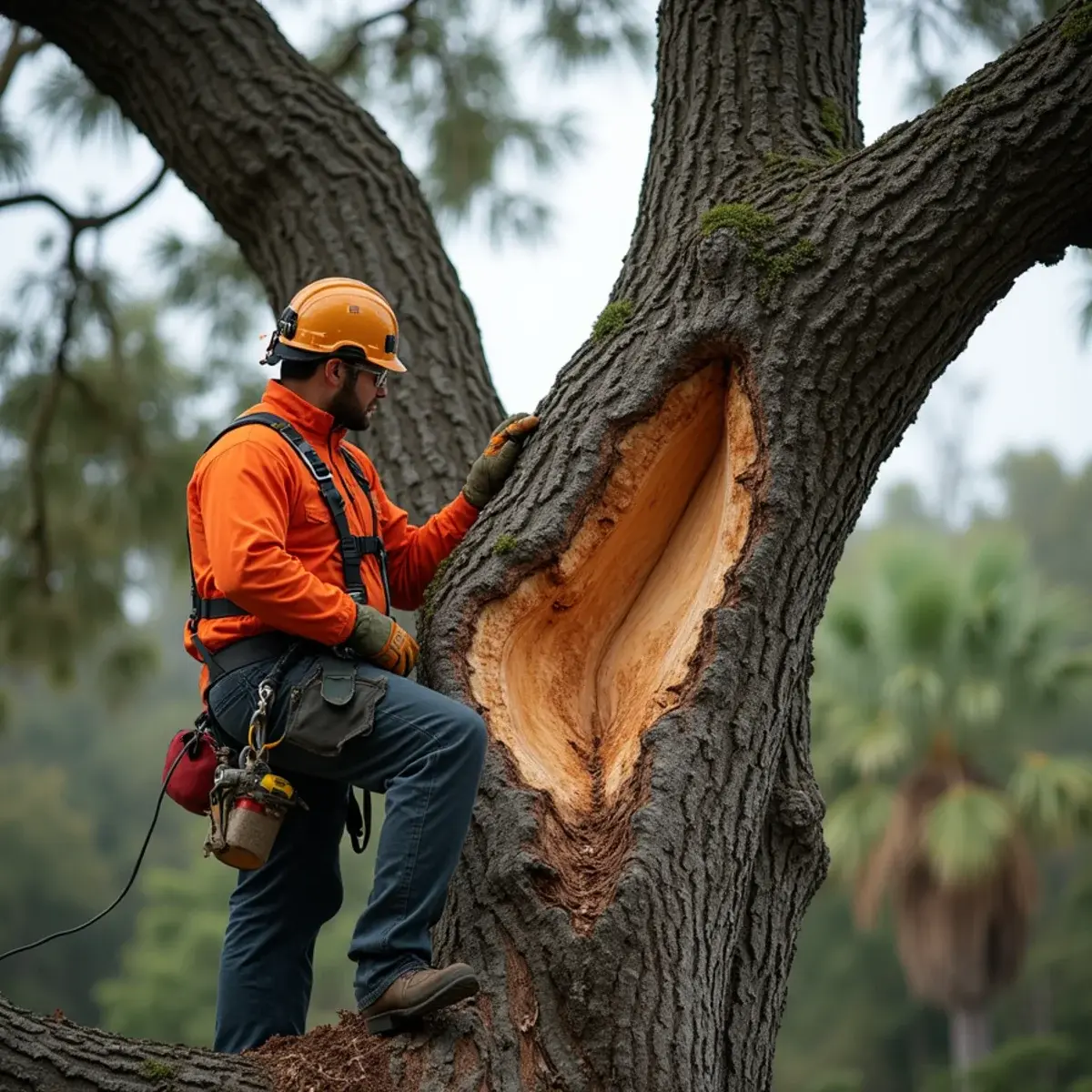
A five-year-old oak with two competing leaders can be corrected with a single cut that takes thirty seconds. Leave that defect for twenty-five years and it becomes a codominant union with included bark, needing a cabling system or eventually costing you the tree.
The same applies to crossing branches, low limbs that will need removing later, and stakes that were never taken off. Everything is easier and cheaper while the tree is small. In newer communities like Nocatee and the CR-210 corridor, this is the single best thing homeowners can do for their landscape.
Signs you have waited too long
Regardless of the calendar, these mean it is time.
The trap of over-trimming
Frequency can be wrong in the other direction too. Trees pruned too often, or too heavily each time, never build reserves and respond with weak, fast growth.
The standard we work to is no more than about 25 percent of the live canopy in a season on a healthy mature tree, and considerably less on old or stressed ones. A tree that needs more than that should be staged across two visits a year apart.
And no tree ever needs topping. If someone is proposing an annual "hurricane cut," they are selling you damage on a subscription — our tree trimming service page explains what proper reduction looks like instead.
Building it into a routine
The simplest approach that works: have the property looked at every spring before hurricane season. Some years that visit results in real work; some years it results in an hour of deadwood removal and a recommendation to wait.
That rhythm keeps everything on a sensible cycle, catches problems while they are small, and — if a tree ever does fail — leaves you with documented professional maintenance on record, which matters to insurers.
Frequently asked questions
The bottom line
Put an annual spring look on the calendar and let that visit tell you what actually needs doing. It is cheaper than a fixed schedule and far cheaper than reacting.
We handle trimming cycles across St. Augustine and St. Johns County, and we will tell you honestly in years when your trees do not need anything.
Want a real answer about your specific tree?
Call +1 (208) 635-2100 for a free on-site estimate across St. Augustine and St. Johns County. We will tell you plainly what it needs — including when the answer is nothing.
- 47 five-star reviews
- Licensed & insured
- 24/7 storm response