Have Faith Trees — tree service in St. Augustine, FL
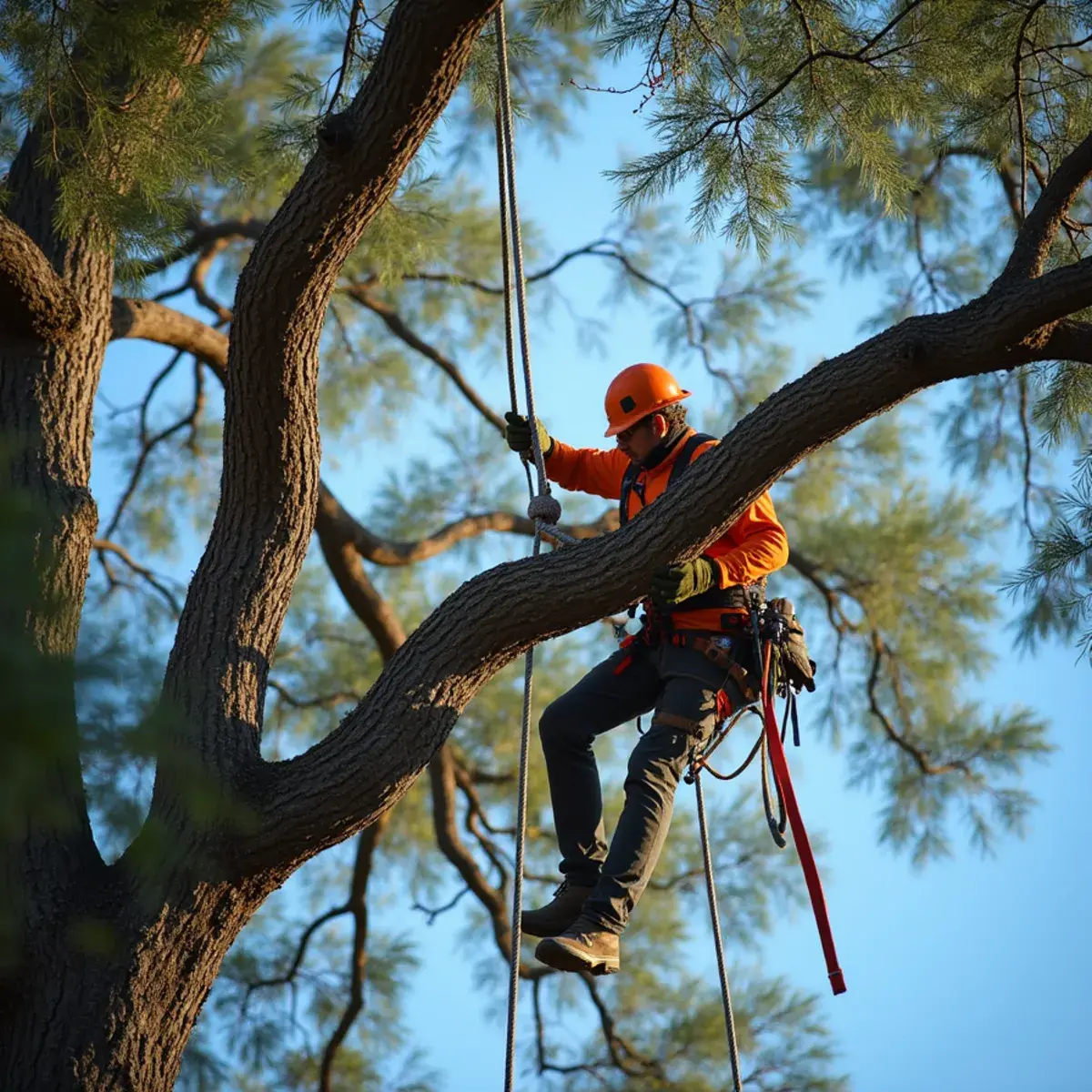
Certified climber pruning a live oak canopy in a St. Augustine, FL neighborhood

St. Augustine, FL

Tree Trimming & Pruning in St. Augustine, FL

Good pruning is the cheapest insurance a Florida homeowner can buy. Take the weight out of an over-extended limb before June, and you may never have to pay for a roof repair, an emergency call, or a removal at all.

  • ANSI A300 pruning standards
  • No topping, ever
  • Roof and drive clearance
  • Debris removed same day

Short answer

Tree trimming in St. Augustine is best done between January and March for structural work, and most single-tree jobs are finished in a day. Have Faith Trees prunes to ANSI A300 standards — proper reduction cuts back to a lateral, clean collar cuts on deadwood, and no topping under any circumstances. Free estimate, all brush chipped and hauled, work area blown clean.

Have Faith Trees prunes to ANSI A300 standards — the industry rulebook for where a cut goes and how much of a canopy can come off in one season. That means proper reduction cuts back to a lateral branch, clean collar cuts on deadwood, and a canopy that looks natural when we leave, not hacked.

When your trees are telling you it is time to prune

  • Limbs resting on or scraping the roof, gutters, or siding
  • Dead gray branches visible in the upper canopy, especially in oaks after a dry spring
  • A canopy so dense that wind cannot pass through — the trees that catch the most damage in tropical storms
  • Low limbs blocking the driveway, sidewalk, or the view pulling out of your street
  • Sprouts and suckers shooting straight up from the trunk or from old topping cuts
  • One-sided or heavily weighted growth leaning over the house, pool cage, or fence
  • Palm fronds hanging below horizontal, with seed pods and old boots ready to drop

What’s included with tree trimming & pruning

Every line below is part of the quoted price. No hidden fees, and nothing discovered halfway through the job.

  • Deadwood removal throughout the canopy — the branches that fall first, and the highest-value pruning there is
  • Selective thinning so wind passes through the canopy instead of pushing against it
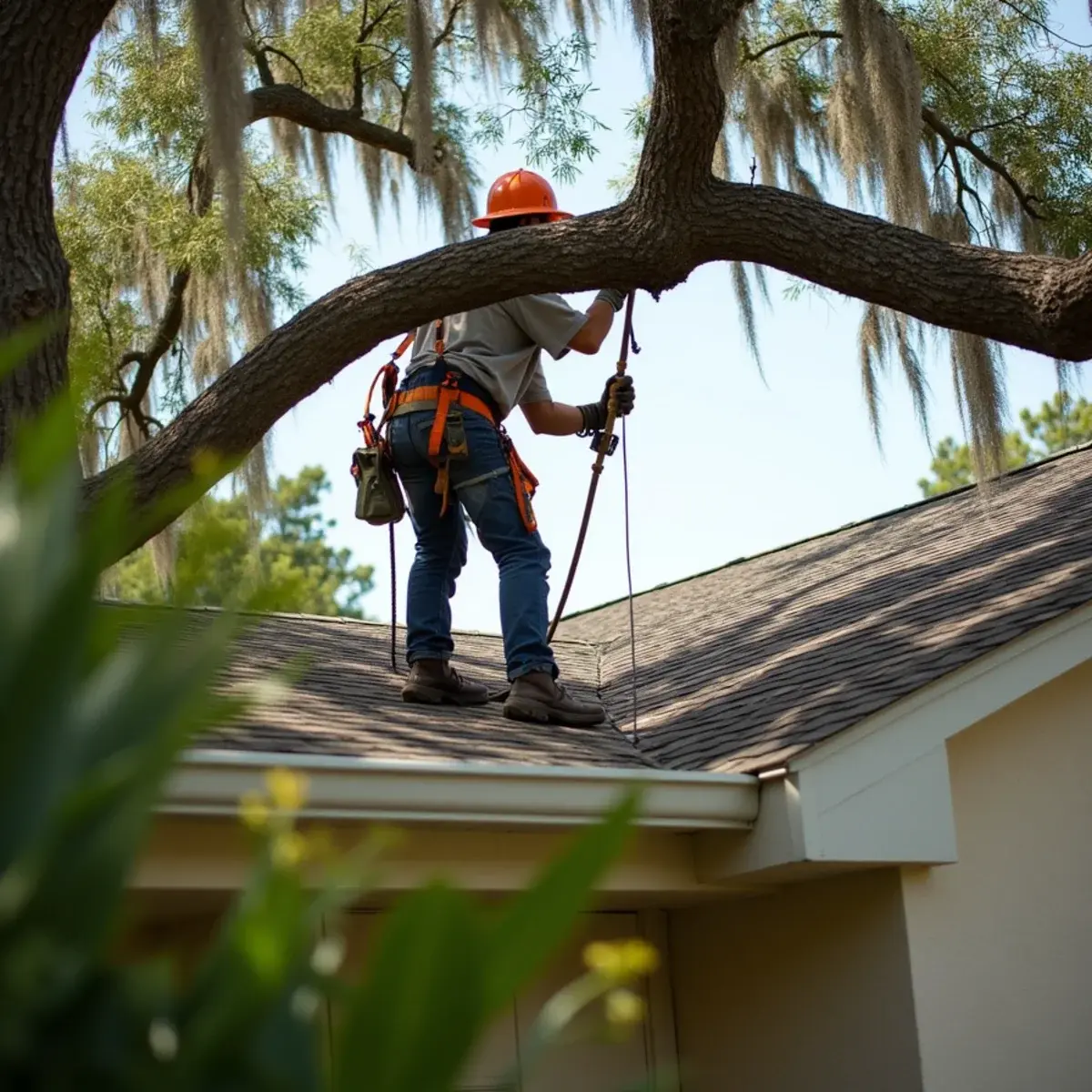
  • Clearance pruning off the roof, gutters, siding, driveway and walkways
  • Reduction of over-extended limbs back to a suitable lateral — never topping, never lion-tailing
  • Clean collar cuts so the wound seals properly, and climbing lines rather than spikes on any tree you are keeping
  • All brush chipped, the work area raked and the driveway blown clean

Typical timeline

Most single-tree trims are a same-day job. Multi-tree properties and HOA common areas are staged across consecutive days so access is never blocked overnight.

Quoted separately

  • Removal of a tree the trim reveals is beyond saving — we will show you why and quote it separately
  • Cabling or bracing on a weak union — priced per union supported

Free estimate for tree trimming in St. Augustine

Call +1 (208) 635-2100 and describe the tree, or send the form below and we will get back to you the same day.

  • 47 five-star reviews
  • Licensed & insured
  • 24/7 storm response

Tree Trimming on the job in St. Augustine
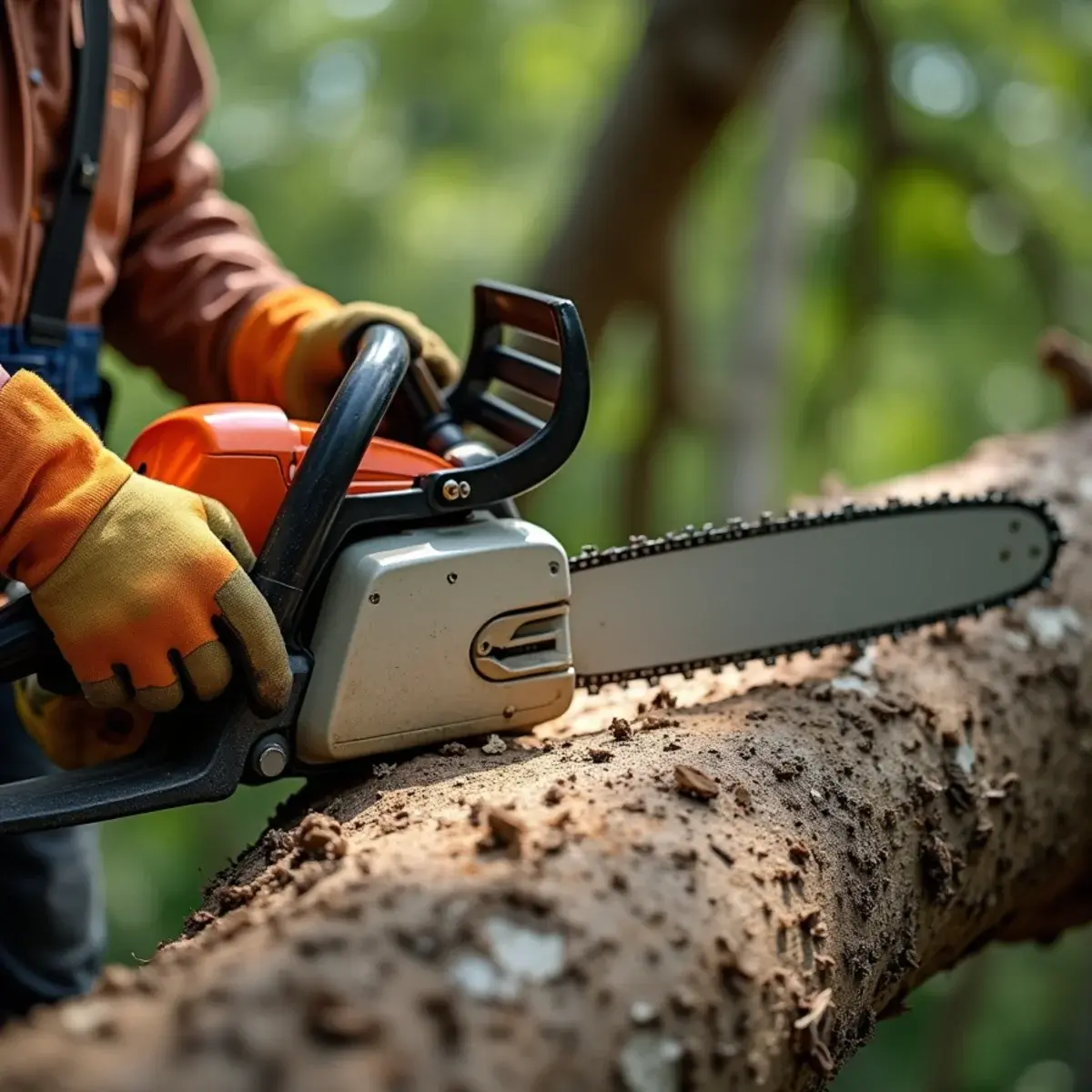
Real work, photographed on St. Johns County properties.

  • Reduction cut on live oak, tree trimming & pruning in St. Augustine, FL
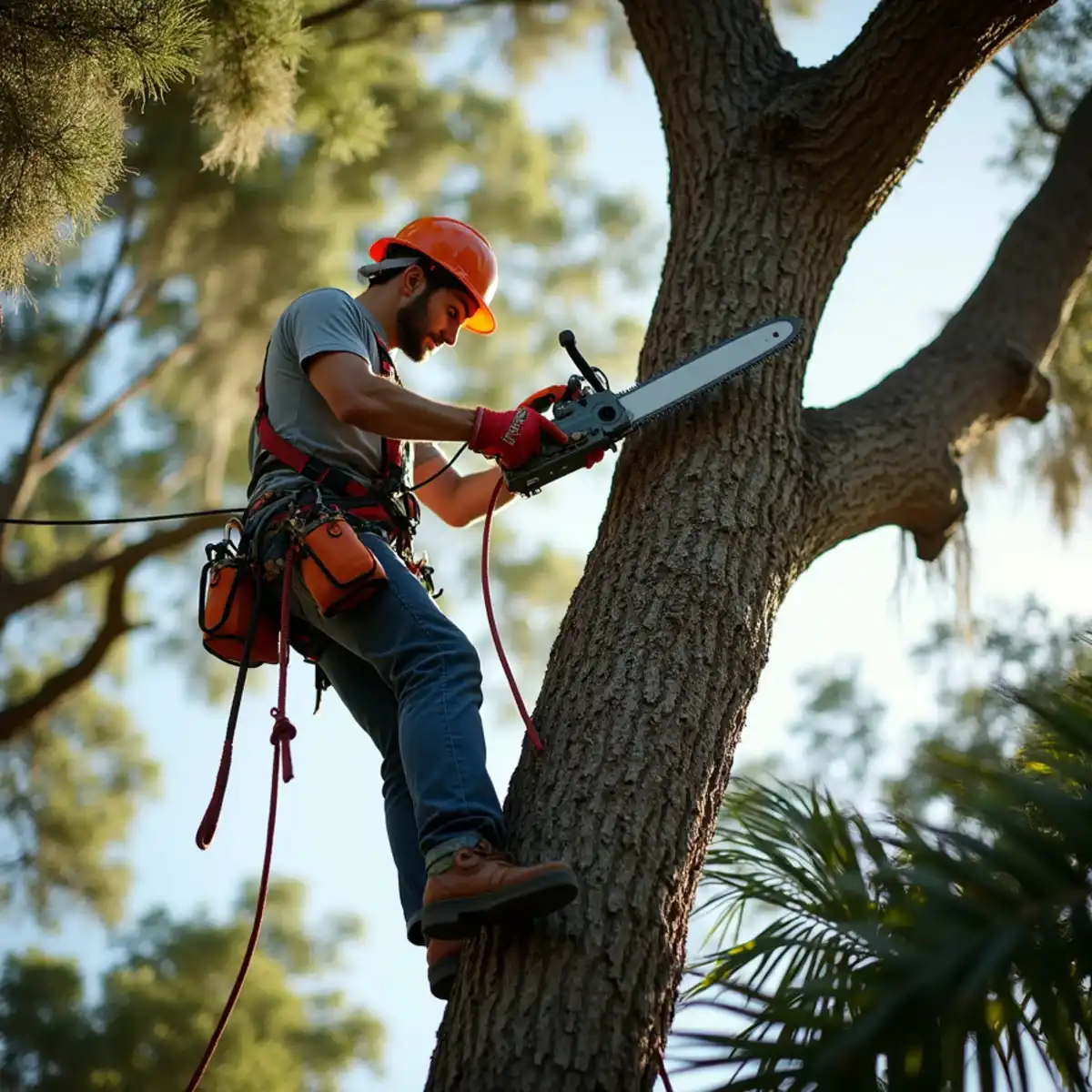
  • Deadwood removal in canopy, tree trimming & pruning in St. Augustine, FL
  • Roof clearance pruning, tree trimming & pruning in St. Augustine, FL

The pruning cuts we actually make — and the ones we refuse to

Most of our trimming work falls into four categories. Cleaning removes dead, dying, diseased, and broken branches — the single highest-value pruning you can do, because dead wood is what falls first. Thinning removes selected interior branches so wind moves through instead of pushing against a solid sail. Raising lifts the lower canopy for clearance over roofs, drives, and walkways. Reduction shortens over-extended limbs back to a suitable lateral, lowering leverage on the limb without changing the tree’s shape.

What we will not do is top a tree. Cutting a canopy back to stubs is the fastest way to ruin a tree: it triggers a flush of weakly attached water sprouts, opens the trunk to decay, and in five years leaves you with a taller, weaker, more dangerous tree than you started with. If another company quoted you "hat-racking" or "hurricane cutting," you are looking at a violation of ANSI standards and, in many Florida municipalities, a code violation as well.

We also avoid lion-tailing — stripping the interior of a limb and leaving a tuft of leaves at the tip. It looks tidy from the ground and it is structurally awful, because all the weight ends up at the end of the lever arm right where the wind gets it.

Species-specific pruning for the coast

The right pruning cut depends on what tree you are standing under.

Southern live oak

These are the trees that make St. Augustine look like St. Augustine, and they respond well to careful pruning. We take out deadwood, reduce heavy horizontal limbs that have reached too far, and preserve the natural spreading form. Late winter into early spring is ideal. Live oaks tolerate a light thinning any time, but we avoid removing more than about a quarter of the live canopy in a season.

Laurel and water oak

Faster growing, weaker wooded, and prone to decay. On these we prioritize weight reduction over aesthetics and inspect the trunk and unions closely — many of these trees are one storm away from a removal quote, and honest pruning advice includes saying so.

Pines

Pines do not respond to reduction the way hardwoods do. We limit work to deadwood removal and clearance. If a pine has a broken top or has lost more than a third of its live crown, pruning is not the fix and we will tell you that.

Magnolia, crape myrtle, and ornamentals

Magnolias want light hands and low branches left alone where possible. Crape myrtles get thinned and shaped — never "crape murdered" back to knuckles, which is the single most common landscaping mistake in Northeast Florida.

Timing your trimming around the Florida calendar

The best window for structural pruning on most hardwoods here is January through March, while the trees are least active and the canopy is easiest to read. Deadwood can come out any time of year and should, because it does not get safer by waiting.

The window we push people hardest on is April and May. Getting weight reduction done before the June 1 start of hurricane season is the difference between a scheduled trim and a 2 a.m. emergency call. Once a named storm is in the forecast cone, every tree company within a hundred miles is booked, and the price of waiting goes up fast.

We generally avoid heavy pruning in the heat of late summer, when trees are stressed and decay fungi are most active, and we never prune oaks that show signs of active disease without treating the underlying problem first.

What a trimming visit looks like

Robert walks the property with you first and marks what is coming off, so there are no surprises about how the tree will look. Crews then set climbing lines — we climb rather than spike, because spikes wound a tree you intend to keep. Cuts are made at the branch collar so the wound seals properly.

Brush is chipped as it comes down, and the crew rakes and blows the entire work area before loading out. Most residential trims are a same-day job. Larger multi-tree properties and HOA common areas get scheduled across consecutive days so your driveway is never blocked overnight.

How tree trimming works, step by step

The same sequence on every job, so you know what is happening and when.

  1. 01Walk the canopy with youRobert marks what is coming off before anything is cut, so there are no surprises about how the tree will look when we leave.
  2. 02Set climbing lines, not spikesSpikes wound a tree you intend to keep. On any tree that is staying, we climb on rope.
  3. 03Deadwood out firstDead limbs are what falls, and they come out regardless of what else is planned. This is the highest-value cut on the list.
  4. 04Reduce, thin and clearOver-extended limbs shortened back to a suitable lateral, selected interior branches thinned so wind passes through, and clearance cut off the roof, gutters and drive.
  5. 05Chip, rake and blowBrush is chipped as it comes down, the work area raked, and the driveway and porch blown clean before we leave.

Why choose Have Faith Trees for tree trimming

8+ years on Northeast Florida trees, 47 five-star Google reviews, licensed and fully insured — and these four things specific to this job.

  • We will not top your tree

    Topping triggers weakly attached water sprouts and opens the trunk to decay. If another company quoted you a hurricane cut, that is damage sold as safety.

  • Species-specific pruning

    A live oak, a laurel oak, a pine and a magnolia all want different cuts at different times of year. We prune to what the tree is, not to a single formula.

  • Under 25 percent per season

    We stay inside what a healthy mature tree can carry in one season and stage bigger jobs across two visits rather than shocking the tree.

  • Cleanup people write reviews about

    Half our Google reviews mention it. Brush chipped, debris hauled, driveway blown — every time.

What affects the price

We do not publish flat prices, because an honest tree quote depends on the specific tree in front of us. These are the factors we are weighing when we walk your property.

Tree size and number of trees
A stand of six oaks priced together always costs less per tree than a single call-out.
Type of pruning
A deadwood cleaning is far quicker than a full structural reduction on a mature spreading oak.
Climbing vs. bucket access
If a bucket truck can reach the canopy from the drive, the job moves faster than a full climb-and-rig.
Debris volume
Dense hardwood canopies produce a lot of chip; palms and small ornamentals produce very little.
Obstacles below the canopy
Pool cages, screen rooms, glass sunrooms and gardens require slower, more controlled lowering.
Season
Booking a trim in winter or early spring is easier to schedule than the rush right before a storm.

Tree Trimming questions we get asked

How often should trees be trimmed in Florida?
For most mature hardwoods in St. Augustine, every three to five years is a sensible cycle, with a quick deadwood cleaning in between if the tree drops a lot. Fast-growing laurel and water oaks near a roof often need attention every two to three years. Palms are typically once a year.
Is it bad to trim trees in the summer here?
Light deadwood removal is fine any time. Heavy structural pruning in the heat of July and August stresses a tree and coincides with the peak activity of decay fungi, so we prefer late winter and early spring for major work.
Do you top trees or do "hurricane cuts"?
No. Topping and hat-racking damage trees permanently and make them more dangerous within a few years, not less. We reduce weight using proper reduction cuts back to laterals, which achieves the storm-risk goal without wrecking the tree.
How much of a tree can be pruned at once?
As a rule we stay under about 25 percent of the live canopy in a single season on healthy mature trees, and less on stressed or older ones. If a tree needs more than that, we stage it across two visits a year apart.
Will trimming stop my oak from dropping limbs?
It dramatically reduces the odds. Removing deadwood, shortening over-extended limbs, and thinning a solid canopy takes away the branches most likely to fail and lets wind pass through. It is risk reduction, not a guarantee — no one can promise a tree will never drop a limb.

Related tree services

Further reading

Tree Trimming & Pruning across Northeast Florida

We run tree trimming & pruning jobs throughout St. Johns County and the surrounding coast. Pick your city for local tree notes and conditions.

Book tree trimming in St. Augustine

Free on-site estimate, written price before we start, and full cleanup included. Same-day response for genuine hazards.

  • 47 five-star reviews
  • Licensed & insured
  • 24/7 storm response
Call NowFree Quote

47 five-star reviews · Licensed & insured · Free estimates