Have Faith Trees — tree service in St. Augustine, FL
Arborist inspecting a live oak for storm risk before hurricane season in St. Augustine, FL

St. Augustine, FL

Hurricane Tree Preparation in St. Augustine, FL

Every September we take calls from people whose trees came apart in a storm, and a painful number of those failures were visible months earlier. Dead limbs do not become safe by waiting. Over-extended horizontals do not shorten themselves. A codominant fork with included bark is a crack that has been getting worse for years.

  • Book March–May
  • Written risk report
  • Weight reduction, not topping
  • Priority storm scheduling

Short answer

Hurricane tree preparation in St. Augustine should be booked between January and May, before the June 1 start of the season and before every crew in the county is booked. Have Faith Trees walks the whole property, removes deadwood, reduces over-extended limbs back to suitable laterals, clears palms of fronds and seed pods, and hands you a short written record of what we found and what we flagged.

Hurricane preparation is the least glamorous service we offer and by far the best value. It is a spring inspection, a targeted pruning plan, and a short written record of what we found — done in March, April, or May, when we can schedule you properly and the price is not being set by a storm in the cone.

Storm-risk indicators we look for on every property

  • Dead or hanging limbs anywhere in the upper canopy
  • Codominant stems with included bark — two trunks of similar size forming a tight V
  • Over-extended lateral limbs reaching well beyond the canopy line, especially over the roof
  • Dense, unthinned canopies that catch wind like a sail instead of letting it pass
  • Root damage from recent construction, driveway work, trenching, or a new pool
  • Signs of decay at the base: conks, cavities, seeping wounds, or a hollow-sounding trunk
  • Trees recently exposed by a neighbor’s clearing — trees that grew up sheltered fail quickly once the windbreak is gone
  • Palms loaded with dead fronds and seed pods

What’s included with hurricane tree preparation

Every line below is part of the quoted price. No hidden fees, and nothing discovered halfway through the job.

  • A walk of the whole property with you, not a look from the driveway
  • Every tree checked for the six things that actually fail: deadwood, over-extended limbs, codominant unions, root damage, decay at the base, and recent exposure
  • Deadwood removed and over-extended limbs reduced back to suitable laterals
  • Palms cleared of dead fronds and seed pods
  • A short written summary in plain English — what we worked, what we flagged, and what we consider a genuine hazard
  • Photographs of anything we want you to keep an eye on

Typical timeline

The inspection is under an hour on most residential lots. The work that follows is usually one day. Book March to April — by late May the calendar is full.

Quoted separately

  • Removal of a hazard tree the inspection turns up — quoted on its own so you can decide separately
  • Cabling and bracing hardware — priced per union supported

Free estimate for hurricane prep in St. Augustine

Call +1 (208) 635-2100 and describe the tree, or send the form below and we will get back to you the same day.

  • 47 five-star reviews
  • Licensed & insured
  • 24/7 storm response

Hurricane Prep on the job in St. Augustine
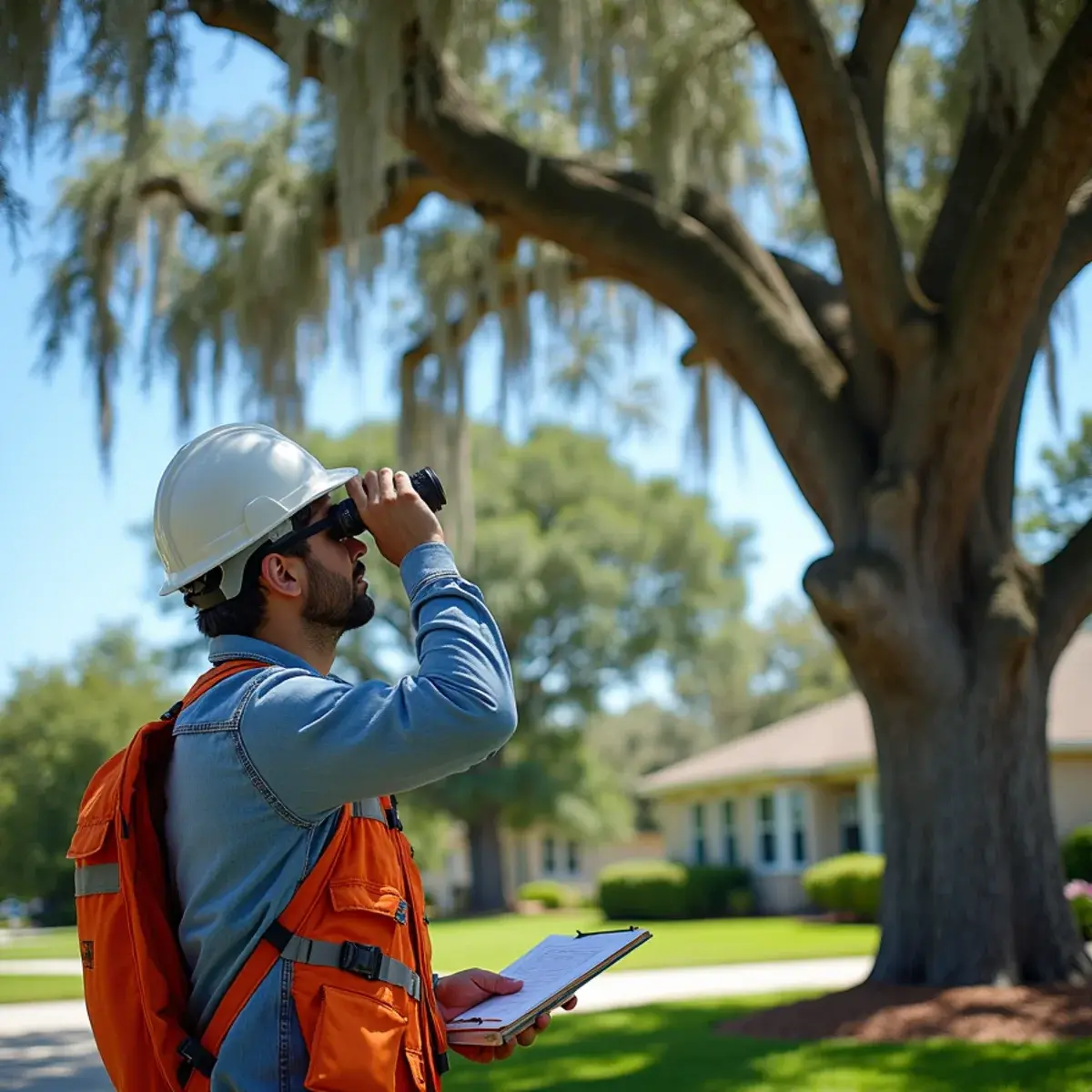
Real work, photographed on St. Johns County properties.

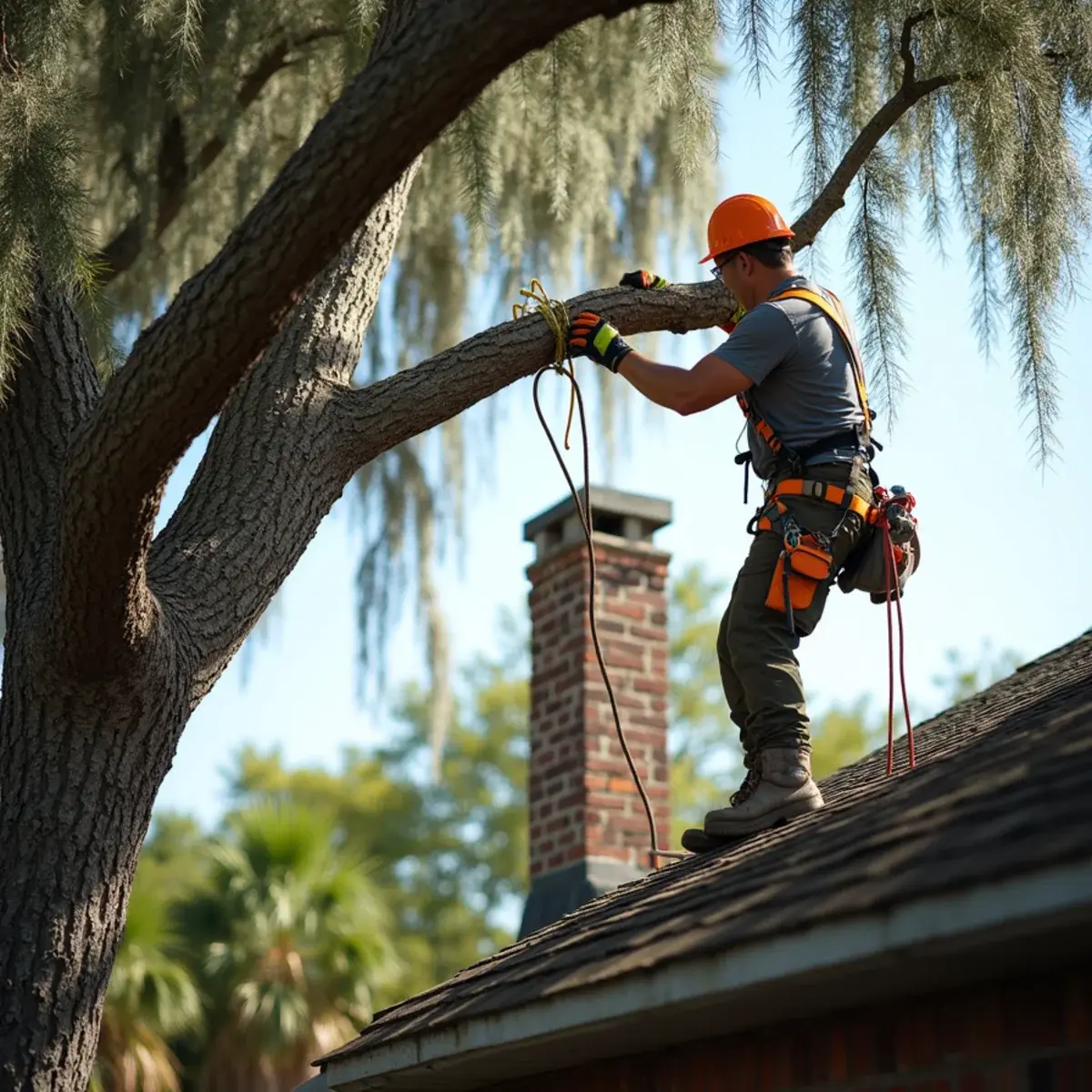
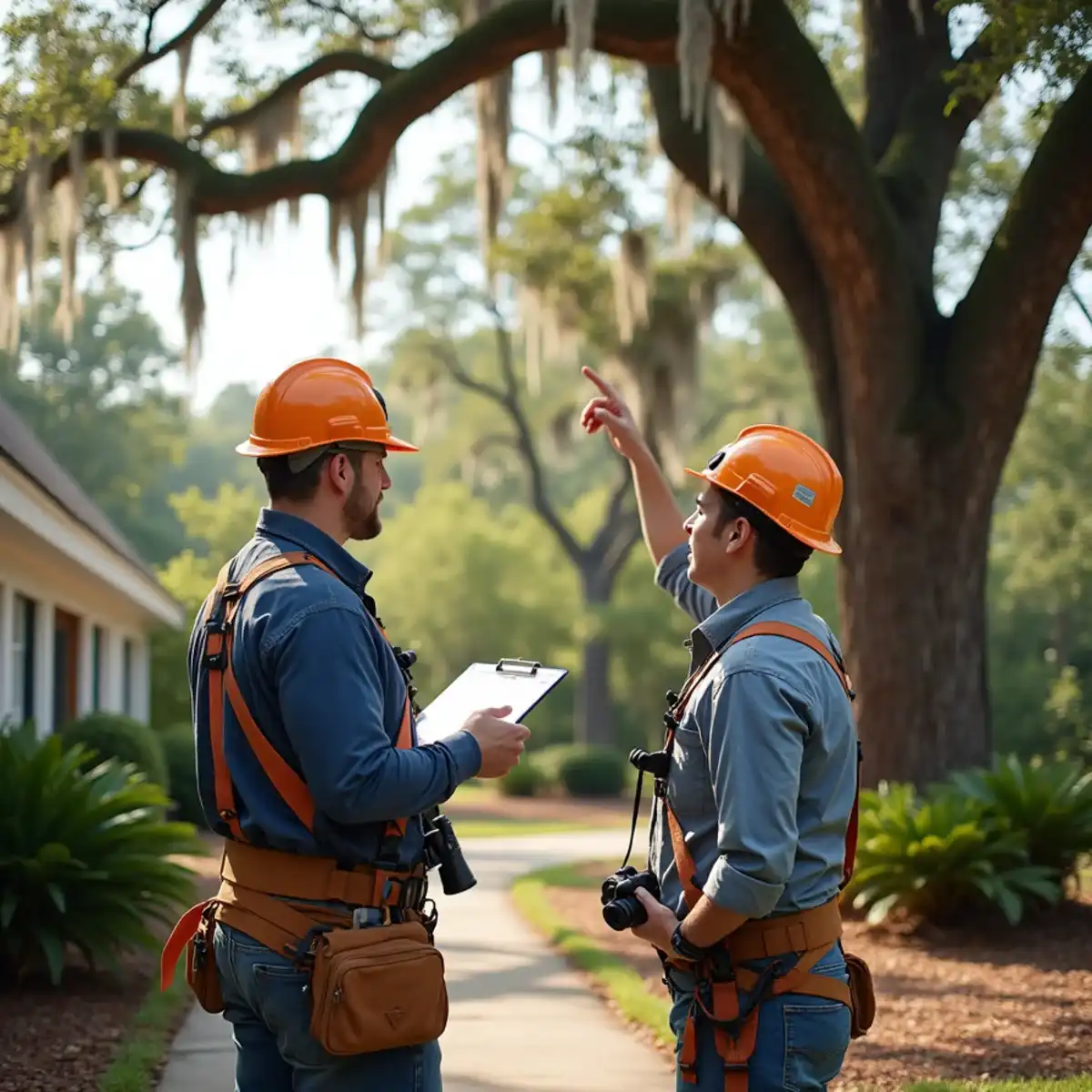
  • Arborist assessing canopy, hurricane tree preparation in St. Augustine, FL
  • Weight reduction pruning, hurricane tree preparation in St. Augustine, FL
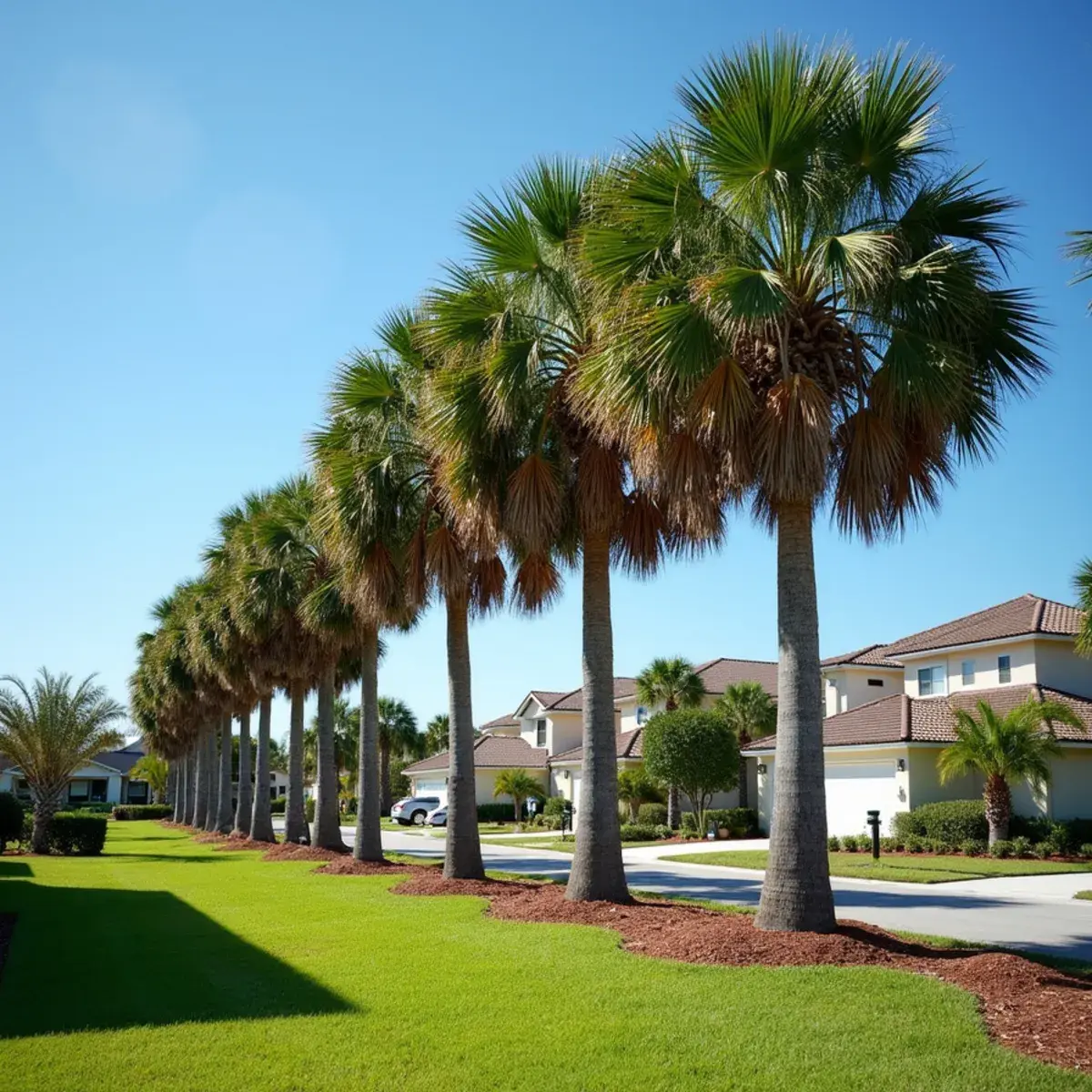
  • Palms cleared before season, hurricane tree preparation in St. Augustine, FL

Our pre-season countdown for St. Augustine properties

Hurricane season starts June 1. Working backward from that date gives you a realistic schedule.

  • January–February: the ideal window for structural pruning on hardwoods. Trees are least active, canopies are easiest to read, and crews are available.
  • March: book your inspection. Any large removals identified now still have time to be permitted and scheduled before the season.
  • April: weight reduction and deadwooding on oaks, pines, and large ornamentals. Cabling and bracing installed where a limb or fork is worth saving.
  • May: palms trimmed, seed pods removed, gutters and drainage checked, loose yard items identified. Last comfortable month for major work.
  • June–November: monitor only. We handle emergency response, but scheduled work gets tight and prices across the industry rise with demand.
  • After any named storm: walk the property and look for new leans, cracked soil, and hangers before you park under anything.

What actually fails in a Florida windstorm

After enough storm cleanups you start to see the pattern. Whole-tree uprooting almost always happens in saturated soil — days of rain first, then wind. Shallow-rooted species and trees with restricted root zones (a lawn surrounded by driveway, sidewalk, and slab) go first.

Trunk snapping is a pine and decayed-hardwood story. A pine that lost its top in a previous storm, or an oak with a decay column running up from an old wound, breaks in the middle rather than tipping over.

Limb failure is the most common and the most preventable. It is almost always deadwood, an over-extended horizontal, or a codominant union splitting. All three are visible from the ground to someone who knows what to look for, and all three are fixable in an afternoon.

One thing we cannot fix is a tree in the wrong place. If a 90-foot pine leans over your child’s bedroom and has decay in the butt, the honest recommendation is removal, and we will say so plainly instead of selling you a trim that will not change the outcome.

Weight reduction done right — not "hurricane cutting"

You will see companies advertise "hurricane cuts" this time of year. What that usually means is topping — cutting the canopy back to stubs. It is the worst thing you can do to a tree. Topped trees respond with dozens of fast-growing water sprouts attached only to the outer bark, so within three to five years you have a taller tree with weaker attachments than the one you started with, plus decay entering every stub cut.

Proper storm-risk reduction is different work entirely. We shorten over-extended limbs by cutting back to a suitable lateral branch that can take over as the new terminal. We thin selected interior branches so the canopy is porous. We remove every piece of deadwood. The tree keeps its natural shape and structure while losing the leverage that breaks limbs.

For high-value trees with a structural defect worth preserving — a historic live oak with a split fork, for instance — a steel or synthetic cabling system can hold the union together. That is covered on our tree cabling and bracing page.

The written report you keep

Every hurricane prep visit ends with a short written summary: which trees were worked, what was removed, what we flagged for the future, and anything we consider a genuine hazard. It is plain English, not a lab report.

Two reasons that matters. First, it gives you a maintenance plan rather than a one-off invoice. Second, if a tree does fail later, documentation showing you had the property professionally inspected and maintained is exactly what an insurance adjuster or a neighbor’s attorney will ask for. Documented maintenance is a defense; "I never got around to it" is not.

How hurricane prep works, step by step

The same sequence on every job, so you know what is happening and when.

  1. 01Book the walk-through in MarchAn inspection takes under an hour on most residential lots, and anything needing a county permit still has time to be approved before the season.
  2. 02Identify what actually failsDeadwood, codominant unions with included bark, over-extended horizontals, decay at the base, root damage from construction, and trees newly exposed by a neighbor's clearing.
  3. 03Reduce weight in AprilDeadwood out, over-extended limbs shortened back to a lateral, and cabling installed on any union worth saving. This is the highest-value month of the year.
  4. 04Service palms in MayDead fronds and seed pods off — those are the projectiles. Gutters and drainage checked so water moves away from root zones.
  5. 05Written summary you keepPlain English: what we worked, what we flagged, and anything we consider a genuine hazard. Documented maintenance is a defense; 'I never got around to it' is not.

Why choose Have Faith Trees for hurricane prep

8+ years on Northeast Florida trees, 47 five-star Google reviews, licensed and fully insured — and these four things specific to this job.

  • Prevention costs a fraction of the emergency

    A weight-reduction trim in April is a scheduled Tuesday. The same tree in September is a 2 a.m. call during a county-wide power outage.

  • Proper reduction, never a hurricane cut

    We shorten limbs back to laterals that can take over. Topping gets the same wind-load claim and leaves you a more dangerous tree in five years.

  • Priority scheduling when it counts

    Customers we have inspected get called back first when the phones light up, because we already know the property and the trees.

  • Honest about what prep cannot do

    A major hurricane takes down healthy, well-maintained trees. We reduce the odds on the failures that are preventable and we say so plainly.

What affects the price

We do not publish flat prices, because an honest tree quote depends on the specific tree in front of us. These are the factors we are weighing when we walk your property.

Number and size of trees
Whole-property prep is priced as a package and works out cheaper per tree than individual visits.
Amount of reduction needed
A canopy that has not been touched in a decade takes far more work than one on a maintenance cycle.
Deadwood volume
Heavily declining trees carry more dead weight and take longer to clean out.
Cabling or bracing
Hardware installation is quoted separately per union supported.
Timing
Winter and early spring bookings are easier to schedule than May, when everyone remembers at once.
Follow-up removals
If the inspection turns up a hazard tree, removal is quoted on its own so you can decide separately.

Hurricane Prep questions we get asked

When should I have trees trimmed before hurricane season?
January through May, with April as the sweet spot. Structural work is best done in late winter, and everything should be finished before June 1. Once a storm enters the forecast cone, every crew in the region is booked.
Does trimming really prevent hurricane damage?
It substantially reduces it. Removing deadwood, shortening over-extended limbs, and thinning dense canopies takes out the parts most likely to fail. It cannot make a tree hurricane-proof — a Category 3 will take healthy trees down too — but most of what we clean up after storms was preventable.
Should I just cut my trees way back to be safe?
No. Topping produces weak regrowth and decay, and topped trees are more dangerous within a few years, not less. Correct reduction pruning gets the same wind-load benefit without wrecking the tree.
What trees are most likely to fail in a St. Augustine storm?
Laurel and water oaks past 40 years, slash pines with previous top damage, any tree with a decayed base, and trees whose root zones were cut by recent construction. Recently exposed trees that used to be sheltered by neighbors are another common failure.
Do you offer priority scheduling during storms?
Customers we have worked with and inspected get called back first when the phones light up. We already know your property and your trees, which makes triage faster and more accurate.

Related tree services

Further reading

Hurricane Tree Preparation across Northeast Florida

We run hurricane tree preparation jobs throughout St. Johns County and the surrounding coast. Pick your city for local tree notes and conditions.

Book hurricane prep in St. Augustine

Free on-site estimate, written price before we start, and full cleanup included. Same-day response for genuine hazards.

  • 47 five-star reviews
  • Licensed & insured
  • 24/7 storm response
Call NowFree Quote

47 five-star reviews · Licensed & insured · Free estimates