Have Faith Trees — tree service in St. Augustine, FL
Crew clearing brush and small trees from an overgrown lot in St. Johns County, FL

St. Augustine, FL

Land Clearing in St. Augustine, FL

Land in St. Johns County does not stay clear on its own. Leave a lot alone for three seasons and you have a wall of Brazilian pepper, greenbrier, palmetto, and volunteer laurel oaks. Leave it ten years and there is a young forest where the pasture used to be.

  • Selective clearing available
  • Build-ready site prep
  • Fence line and trail clearing
  • Debris hauled or chipped on site

Short answer

Land clearing in St. Augustine and St. Johns County ranges from a one-to-two-day quarter-acre lot to a couple of weeks on multi-acre parcels, and the debris method drives the price more than the acreage does. Have Faith Trees clears to build grade or selectively through the understory, fences off the root zones of trees you are keeping, and treats cut stumps on invasives so the lot stays clear.

We clear lots for builders, fence contractors, and homeowners who want their acreage back. That ranges from knocking down five acres of scrub ahead of a build to selectively pulling out invasives from under an oak canopy someone spent decades growing.

Typical clearing projects we take on

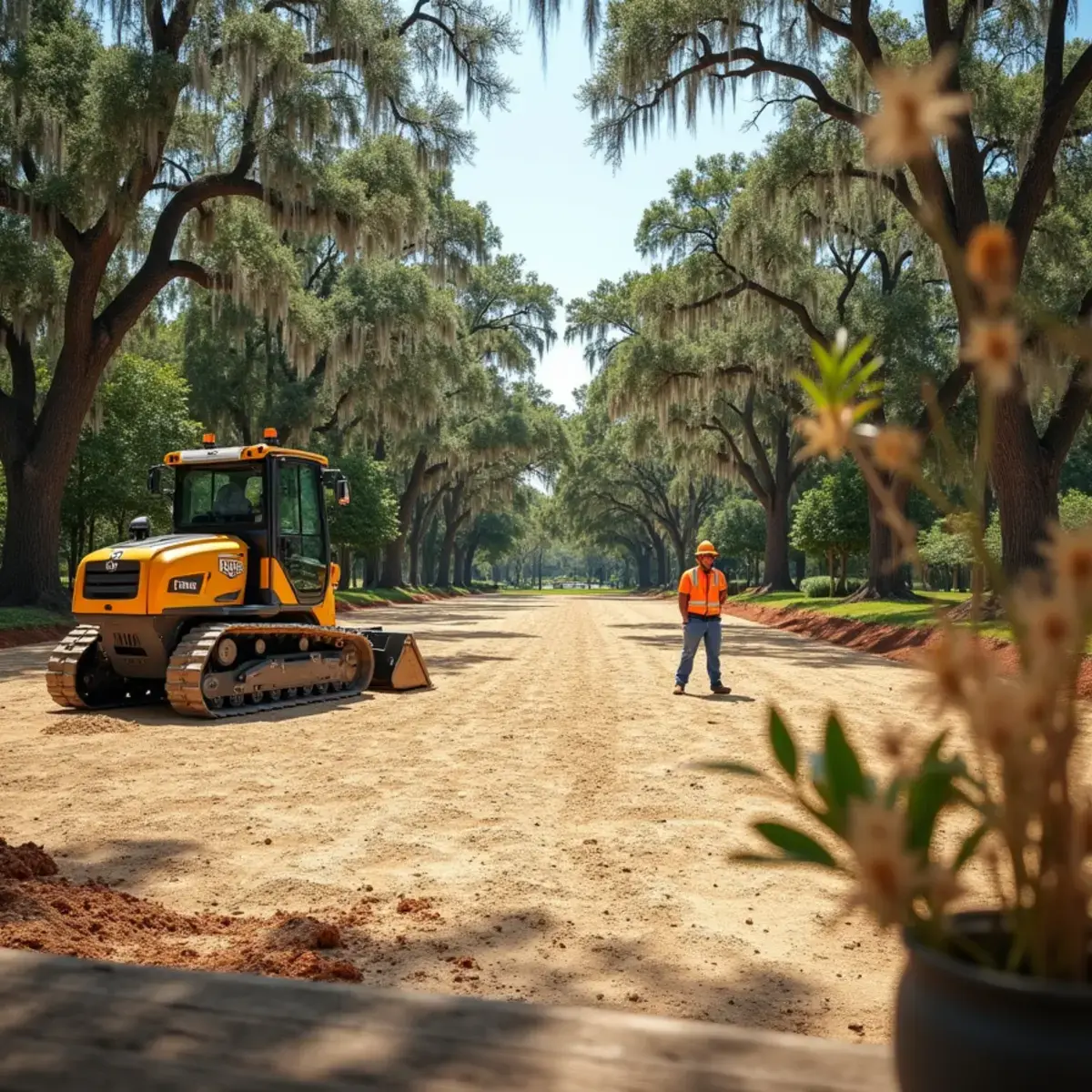
  • A residential lot that needs to be cleared to a build pad and driveway line
  • Overgrown acreage reclaimed for pasture, a barn site, or a future homesite
  • Fence line clearing so a survey crew or fence contractor can work
  • Invasive removal — Brazilian pepper, Chinese tallow, camphor, air potato vine
  • Firebreaks and defensible space around structures on wooded property
  • Trail, driveway, and utility easement cutting through wooded land
  • Post-storm cleanup on acreage where dozens of trees came down at once

What’s included with land & lot clearing

Every line below is part of the quoted price. No hidden fees, and nothing discovered halfway through the job.

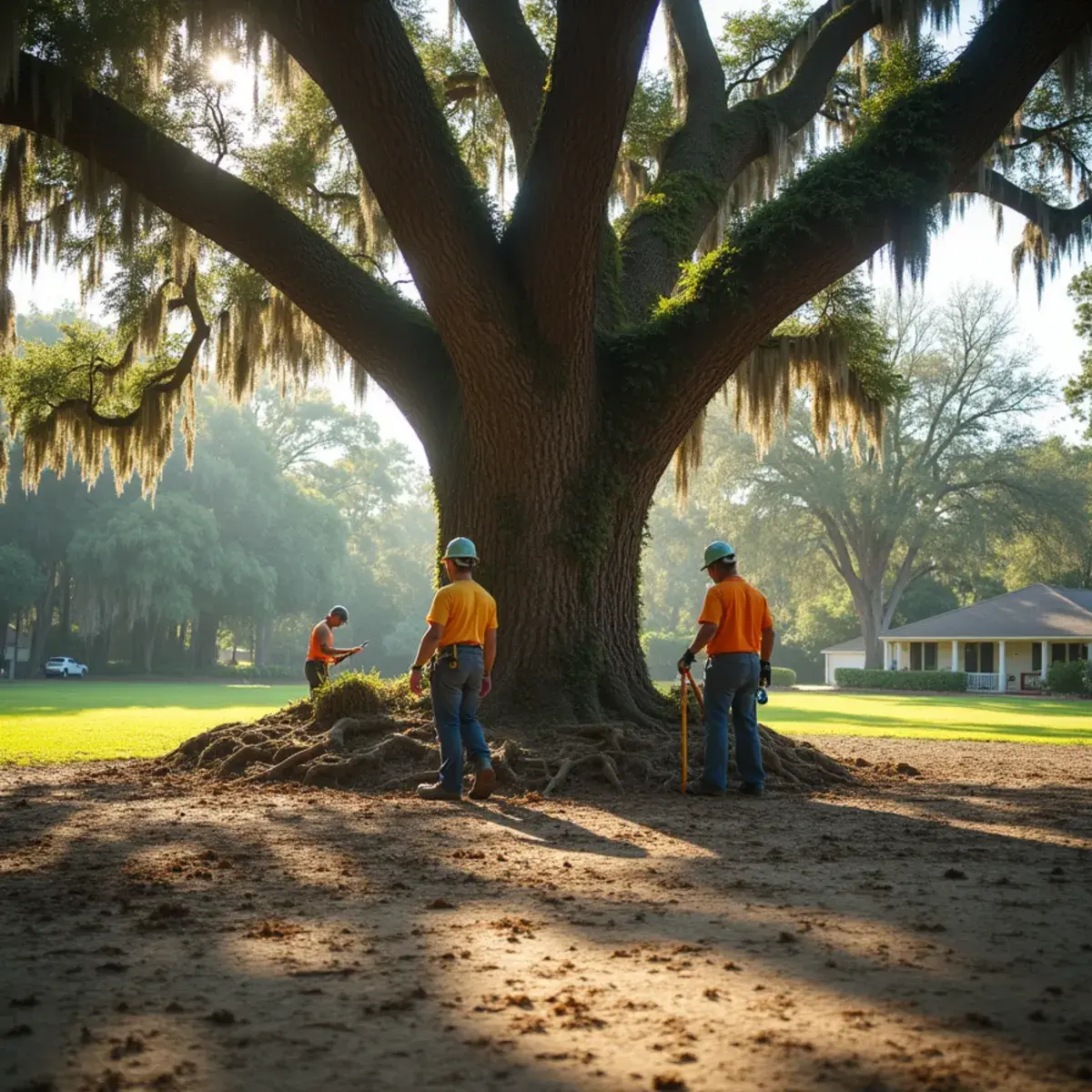
  • A walk of the parcel with you first, flagging every tree that stays
  • Protected root zones fenced at the drip line and kept clear of equipment — compaction is invisible damage that shows up two summers later
  • Jurisdiction, wetland proximity and clearing-permit requirements checked before we start
  • Clearing to your spec: to grade for a build pad, or selective through the understory
  • Cut-stump herbicide treatment on Chinese tallow, Brazilian pepper and camphor so the lot stays clear
  • Debris handled the way you choose — chipped and dispersed on site, hauled off, or ground in place

Typical timeline

A quarter-acre residential lot is one to two days. Multi-acre parcels run several days to a couple of weeks depending on density, disposal method and how wet the ground is.

Quoted separately

  • Survey work, where the parcel needs one before a permit will issue
  • Grading, fill and compaction after clearing — a site-work contractor’s scope, and we will coordinate with them

Free estimate for land clearing in St. Augustine

Call +1 (208) 635-2100 and describe the tree, or send the form below and we will get back to you the same day.

  • 47 five-star reviews
  • Licensed & insured
  • 24/7 storm response

Land Clearing on the job in St. Augustine
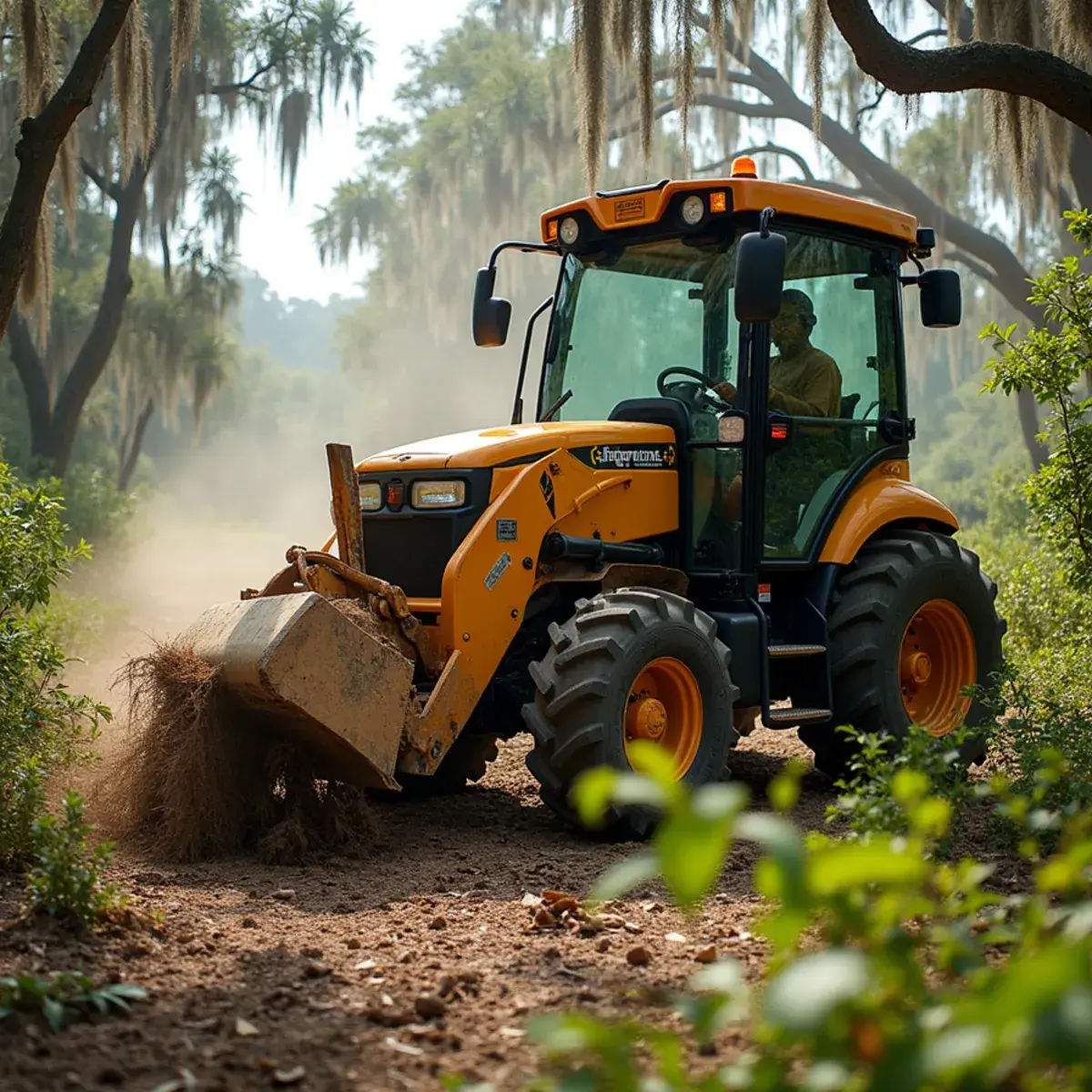
Real work, photographed on St. Johns County properties.

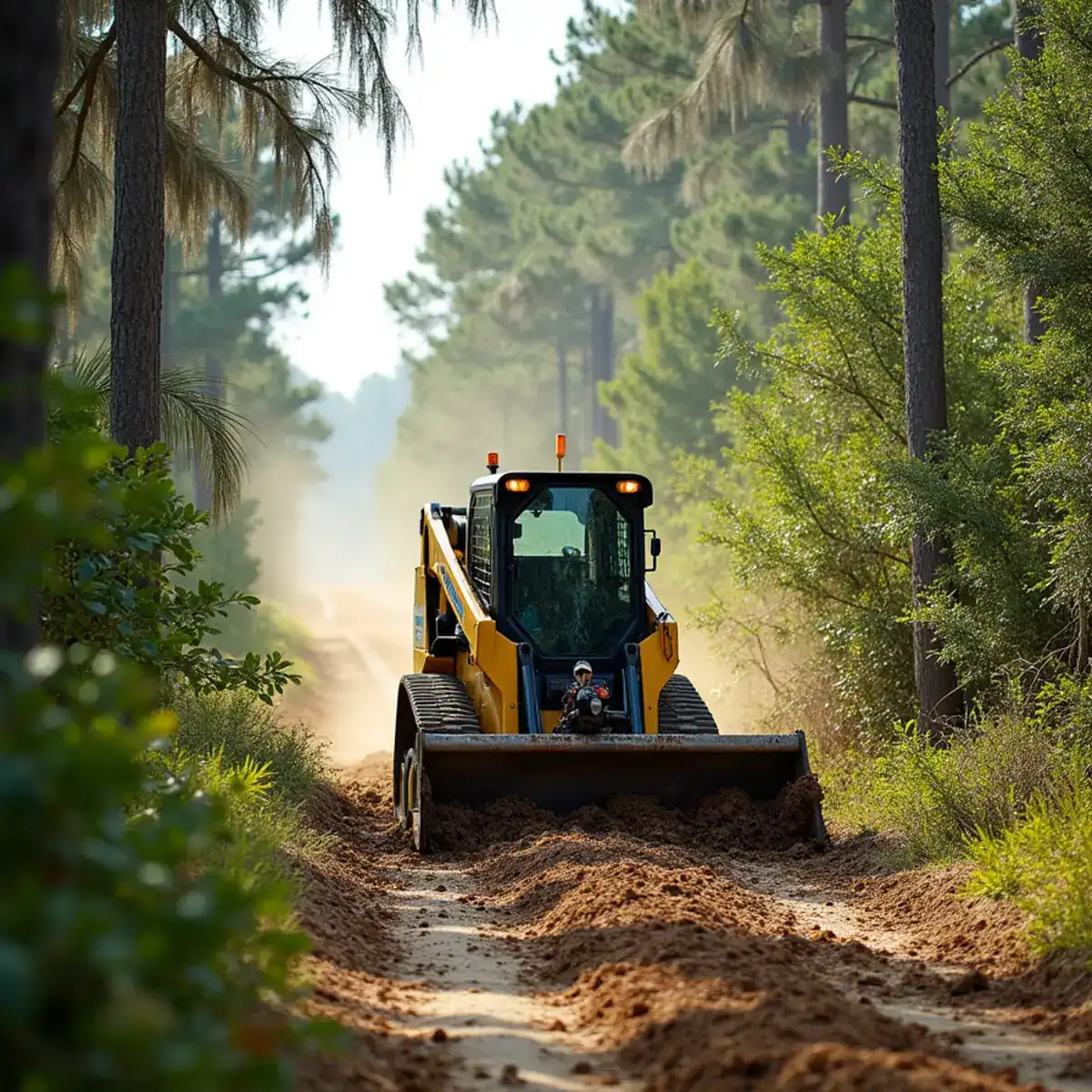
  • Mulcher clearing scrub, land & lot clearing in St. Augustine, FL
  • Selective clearing around oaks, land & lot clearing in St. Augustine, FL
  • Cleared build pad, land & lot clearing in St. Augustine, FL

Selective clearing vs. clearing to grade

The first decision on any lot is how much stays. Clearing to grade means everything goes — trees, stumps, root mat — and the site ends up flat and build-ready. That is what a builder usually needs inside a footprint and driveway envelope.

Selective clearing is more common on the homesites we work in around Elkton, Hastings, Switzerland, and out past State Road 16. You keep the mature live oaks, magnolias, and healthy pines, and remove the scrub, the invasives, and the crowded volunteer growth underneath. Done well, the property looks like a park by the time we leave, and the trees you kept are worth more than everything we took out.

The mistake we see most often is a machine operator taking a lot to bare dirt around specimen trees. Driving heavy equipment across a root zone compacts the soil and severs roots, and the beautiful oak you paid to keep starts declining two years later. We fence off protected root zones and work around them.

St. Johns County permitting and protected trees

Clearing regulations in St. Johns County and the City of St. Augustine are not the same as removing a single backyard tree. Depending on parcel size, zoning, and whether the property drains to a wetland, you may need a clearing permit, a tree survey, or mitigation planting for protected specimens.

Wetlands are the big one here. Northeast Florida has jurisdictional wetlands scattered through parcels that look like ordinary woods, and clearing inside one without a permit is an expensive mistake involving the St. Johns River Water Management District rather than just the county.

We check what applies before we start, and if the parcel needs a survey or a permit we will tell you at the estimate. On larger commercial sites we coordinate with the site engineer or the general contractor so the clearing matches the approved plan.

What we do with the material

Debris disposal is often the largest single cost on a clearing job, so it is worth understanding the options.

  • Chip and disperse: brush is run through a chipper and spread on site. Cheapest option, good for trails, fence lines, and selective clearing.
  • Haul off: everything is loaded and taken to a disposal facility. Cleanest result, highest cost, and what most build sites require.
  • Burn on site: permitted agricultural burns are still viable on larger rural parcels, subject to Florida Forest Service authorization and county rules.
  • Grind in place: stumps and small material processed to mulch and left as ground cover, common on pasture reclamation.
  • Merchantable timber: on larger pine tracts, saw logs and pulpwood may offset part of the clearing cost.

Working around what you keep

Every clearing job we do starts by walking the parcel and flagging keepers. On a homesite that usually means the big live oaks, any healthy longleaf, magnolias, and specimen palms. On a pasture it may mean shade trees along the fence line.

Around those trees we establish a protection zone roughly at the drip line and keep equipment out of it, clearing the interior by hand or with a compact machine. Soil compaction is invisible damage — it does not show up until the canopy starts thinning two or three summers later, and by then it is not fixable.

One more note on invasives: cutting Brazilian pepper and Chinese tallow without treating the stumps guarantees they come back thicker. Cut-stump herbicide treatment at the time of clearing is what keeps a cleared lot clear, and it is the step most operators skip.

How land clearing works, step by step

The same sequence on every job, so you know what is happening and when.

  1. 01Walk the parcel and flag the keepersMature live oaks, healthy longleaf, magnolias and specimen palms get flagged before a machine starts. On a homesite this is what separates a park from a bare lot.
  2. 02Check jurisdiction, wetlands and permitsClearing permits, tree surveys and wetland proximity all come into play depending on parcel size and zoning. Jurisdictional wetlands sit inside land that looks like ordinary woods.
  3. 03Fence the protected root zonesProtection fencing at the drip line, with equipment kept out. Soil compaction is invisible damage that shows up two summers later as a thinning canopy.
  4. 04Clear to your specTo grade for a build pad, or selectively through the understory keeping what is worth keeping. Hand crews or compact machines inside the protection zones.
  5. 05Treat stumps and handle debrisCut-stump herbicide on Chinese tallow, Brazilian pepper and camphor, then chipped and dispersed on site, hauled off, or ground in place — your call.

Why choose Have Faith Trees for land clearing

8+ years on Northeast Florida trees, 47 five-star Google reviews, licensed and fully insured — and these four things specific to this job.

  • Selective clearing is most of what we do

    Taking a lot to bare dirt is easy. Keeping the trees worth keeping, and keeping them alive afterward, is the skill.

  • Root protection is planned, not hoped for

    Driving heavy equipment across a root zone is why beautiful oaks people paid to keep start declining two years later.

  • Cut-stump treatment included where it matters

    Cut tallow or pepper without treating it and you get five stems where there was one. This is the step most operators skip.

  • Debris method quoted both ways

    On rural acreage, chipping and dispersing on site instead of hauling every load can change the number substantially. Ask for both.

What affects the price

We do not publish flat prices, because an honest tree quote depends on the specific tree in front of us. These are the factors we are weighing when we walk your property.

Acreage and density
An acre of light palmetto scrub and an acre of dense oak-and-pepper thicket are very different jobs.
Tree size and count
Large-diameter trees inside the clearing envelope add removal and disposal cost.
Debris handling method
Chipping and dispersing on site is far cheaper than hauling every load to a disposal facility.
Stump grinding or grubbing
Build pads need stumps and root mat removed; pasture reclamation often does not.
Site access and terrain
Wet ground, ditches, and narrow entrances limit which machines can work and slow everything down.
Permits and surveys
Protected trees, wetland proximity, and county clearing permits add pre-work time.
Invasive follow-up
Cut-stump herbicide treatment costs a little now and saves a re-clear in two years.

Land Clearing questions we get asked

How much does it cost to clear a lot in St. Johns County?
Price is driven by acreage, vegetation density, how many large trees are involved, and what happens to the debris. Light underbrush clearing on an acre is a modest job; clearing five acres of mature mixed woods to build grade with haul-off is a substantially larger one. We quote on site after walking the parcel.
Do I need a permit to clear my land in St. Augustine?
Frequently, yes — especially for protected trees, parcels near wetlands, or anything inside city limits. Requirements vary by zoning and parcel size. We check before starting and will tell you what applies to your specific address.
Can you clear around trees I want to keep?
That is most of what we do on homesites. We flag keepers, fence off the root zone, and clear the interior with hand crews or compact equipment so we do not compact the soil around the trees you are paying to protect.
Do you remove stumps during land clearing?
On build sites, yes — stumps and root mat have to come out. On pasture and selective clearing, many customers grind them flush or leave them, which lowers the cost considerably.
How long does clearing take?
A quarter-acre residential lot is usually one to two days. Multi-acre parcels run several days to a couple of weeks depending on density, disposal method, and how wet the ground is.

Related tree services

Further reading

Land & Lot Clearing across Northeast Florida

We run land & lot clearing jobs throughout St. Johns County and the surrounding coast. Pick your city for local tree notes and conditions.

Book land clearing in St. Augustine

Free on-site estimate, written price before we start, and full cleanup included. Same-day response for genuine hazards.

  • 47 five-star reviews
  • Licensed & insured
  • 24/7 storm response
Call NowFree Quote

47 five-star reviews · Licensed & insured · Free estimates