Short answer
Tree work is one of the few home services where hiring badly can put your house, your finances, and someone else’s life at risk. It is also one of the least regulated, which means the range of quality between companies is enormous.
These are the ten things worth checking, roughly in order of importance.
1. Insurance — and verify it properly
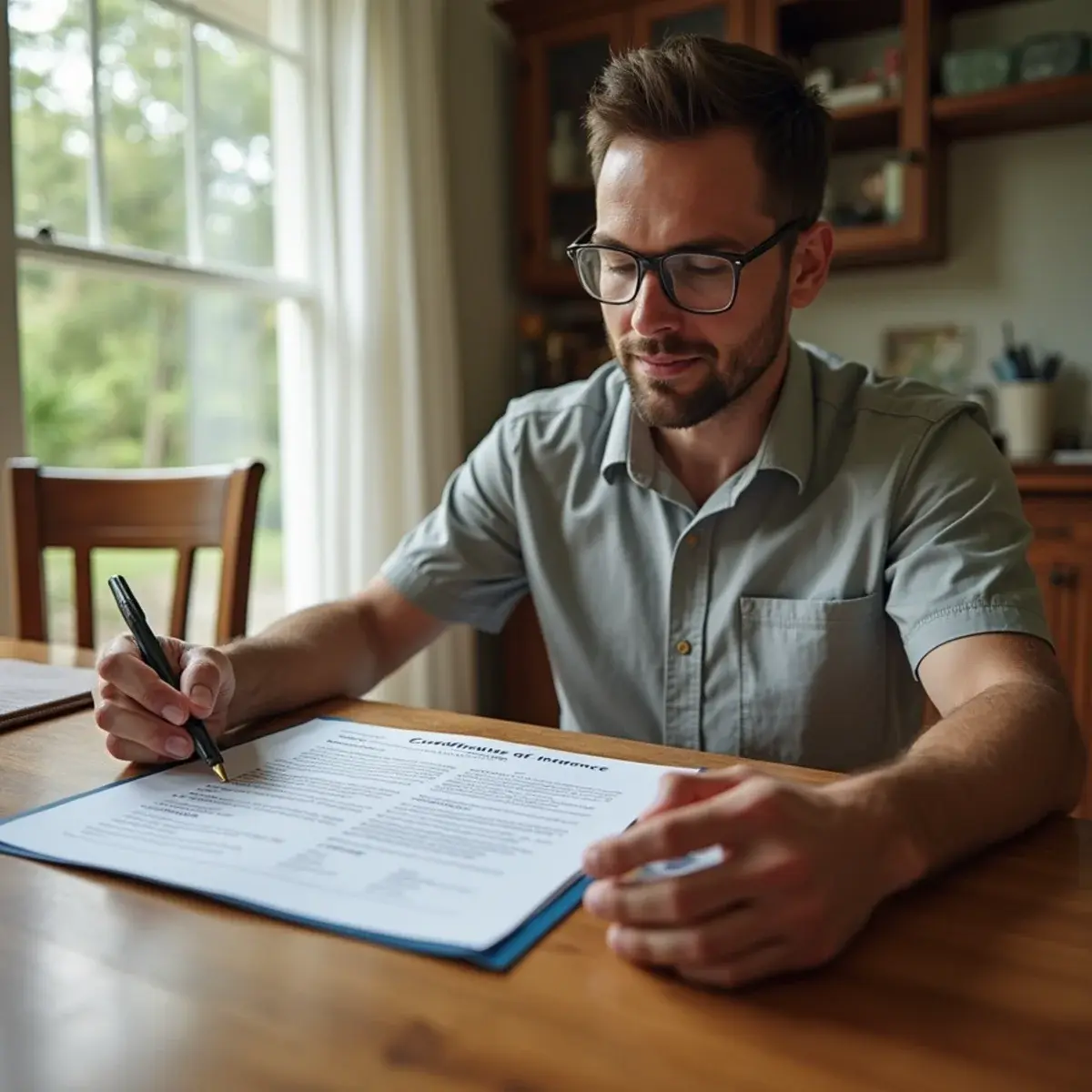
This is not a formality and it is the single biggest reason cheap bids are cheap.
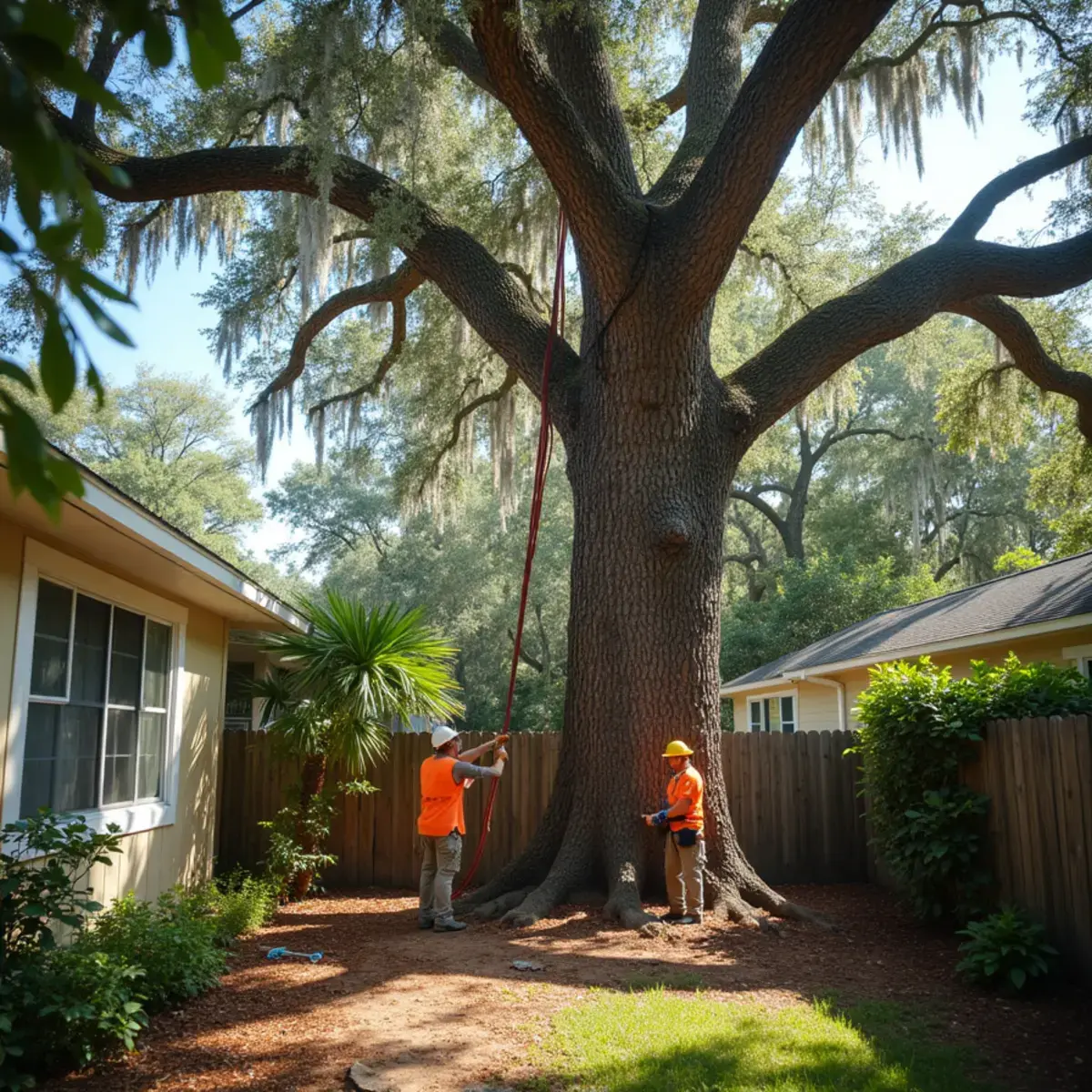
You need two things: general liability, which covers damage to your property, and workers’ compensation, which covers injuries to their crew. Without workers’ comp, an injured climber on your property can become your homeowners policy’s problem — and tree work has one of the highest injury rates of any occupation in the country.
Do not accept a photocopy. Ask for a certificate of insurance sent directly from their carrier or agent, naming you as certificate holder. It takes them one phone call, and any legitimate company does it routinely.
2. A written, itemized estimate
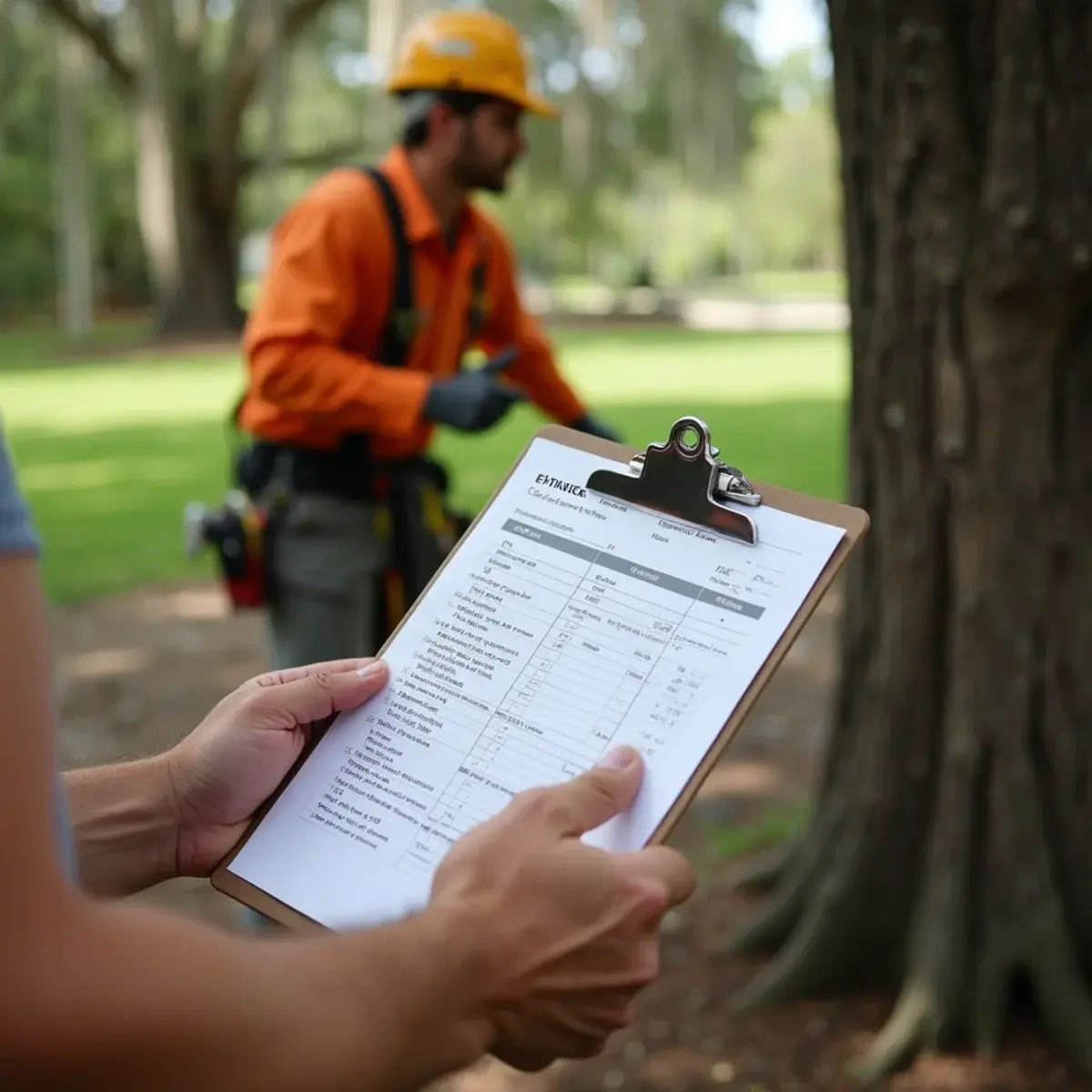
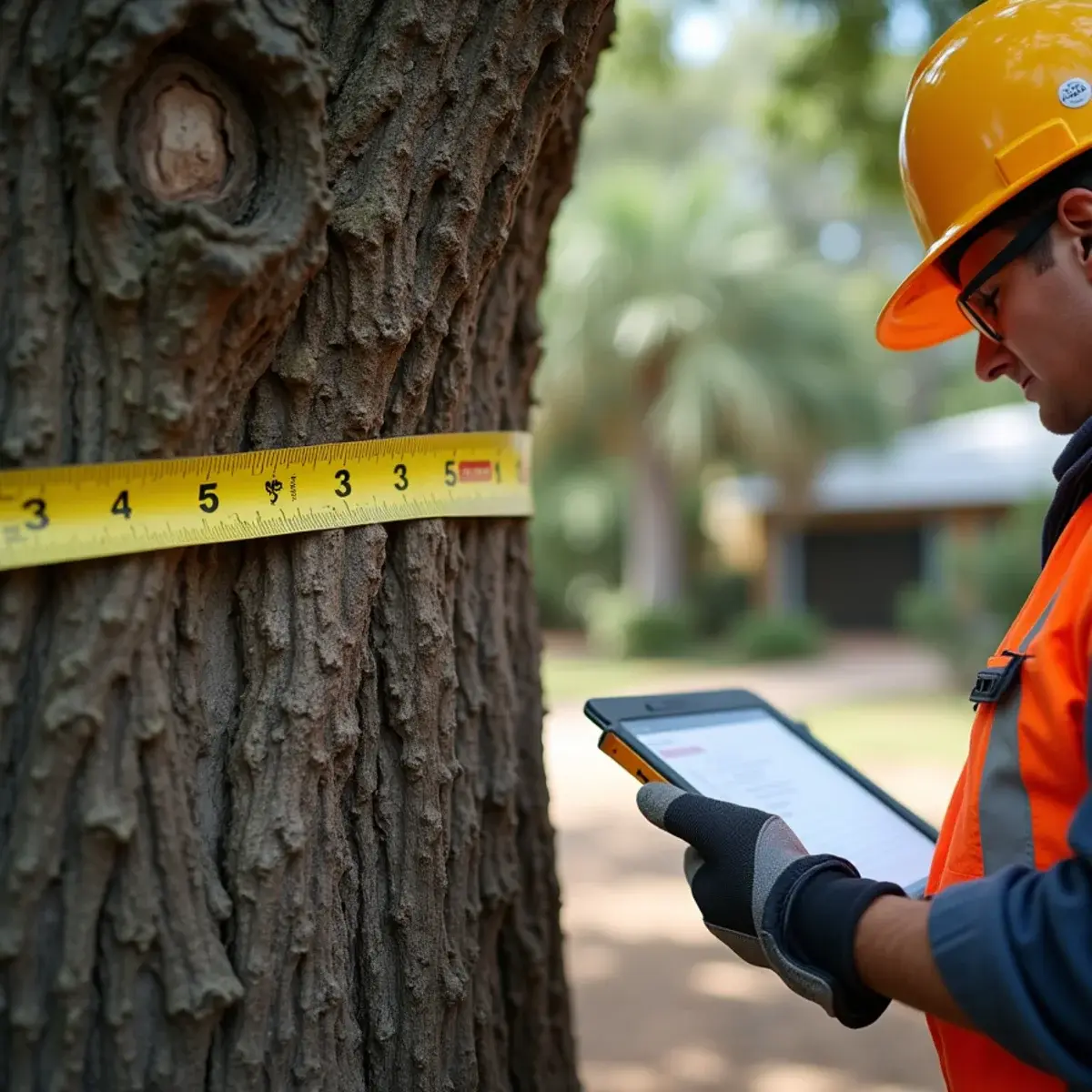
Verbal quotes are how disputes start. What you want in writing: which trees, what work on each, whether debris removal is included, whether stump grinding is included and to what depth, whether permits are handled, and the total.
"Remove oak — $2,800" is not an estimate. "Remove the laurel oak at the northeast corner including all debris haul-away and rake-out; stump grinding to 8 inches below grade included; permit application filed by us" is.
3. Local presence and real reviews
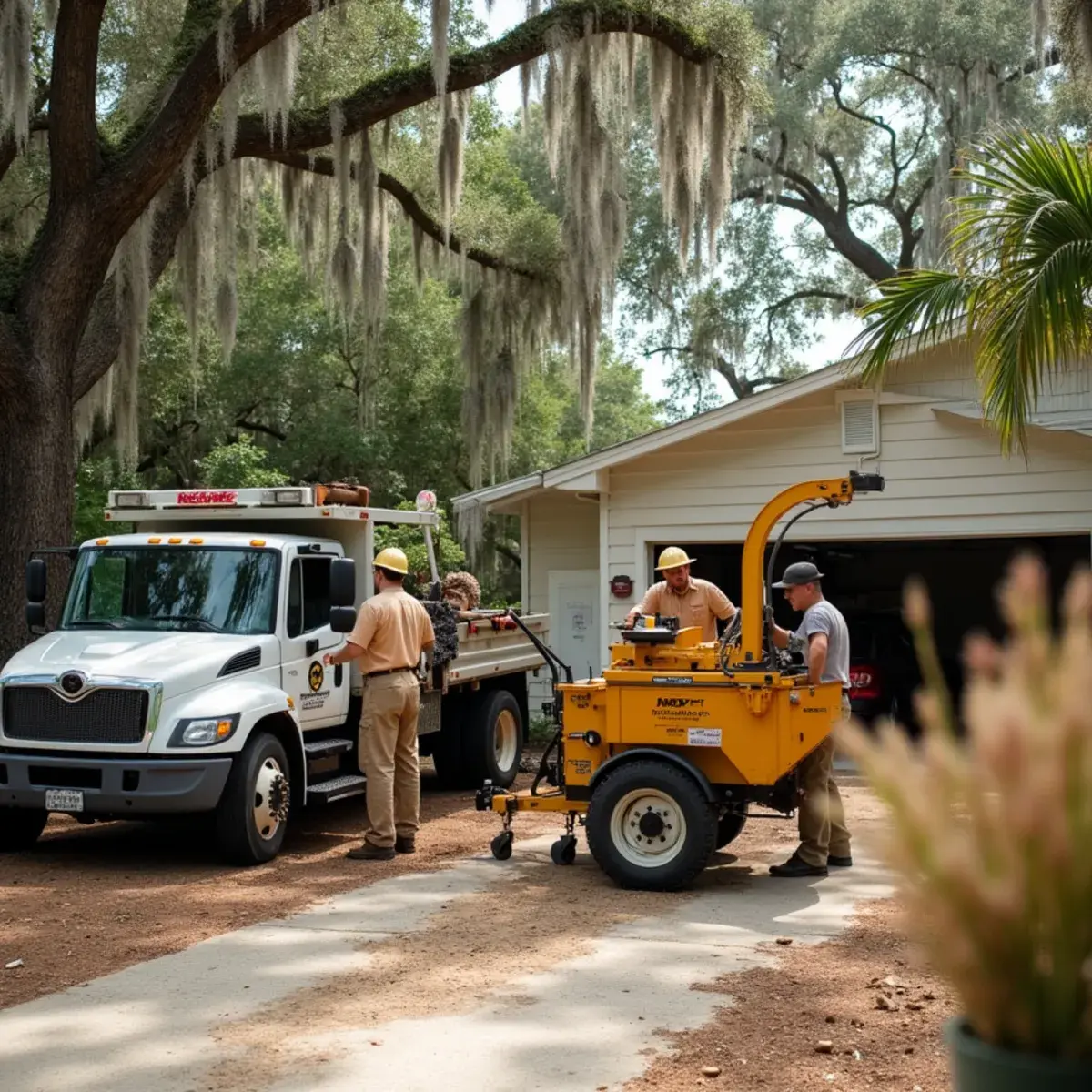
Look for a company with a verified address in your area, a phone number that a person answers, and a review history with volume and specifics. Reviews that describe the actual job — what the tree was, how the crew handled it, what the cleanup was like — are worth far more than a wall of five-star ratings with no text.
Post-storm, be particularly careful. Out-of-area crews follow hurricanes across the Southeast, and the reputable ones are booked before they arrive.
4. Standards and credentials
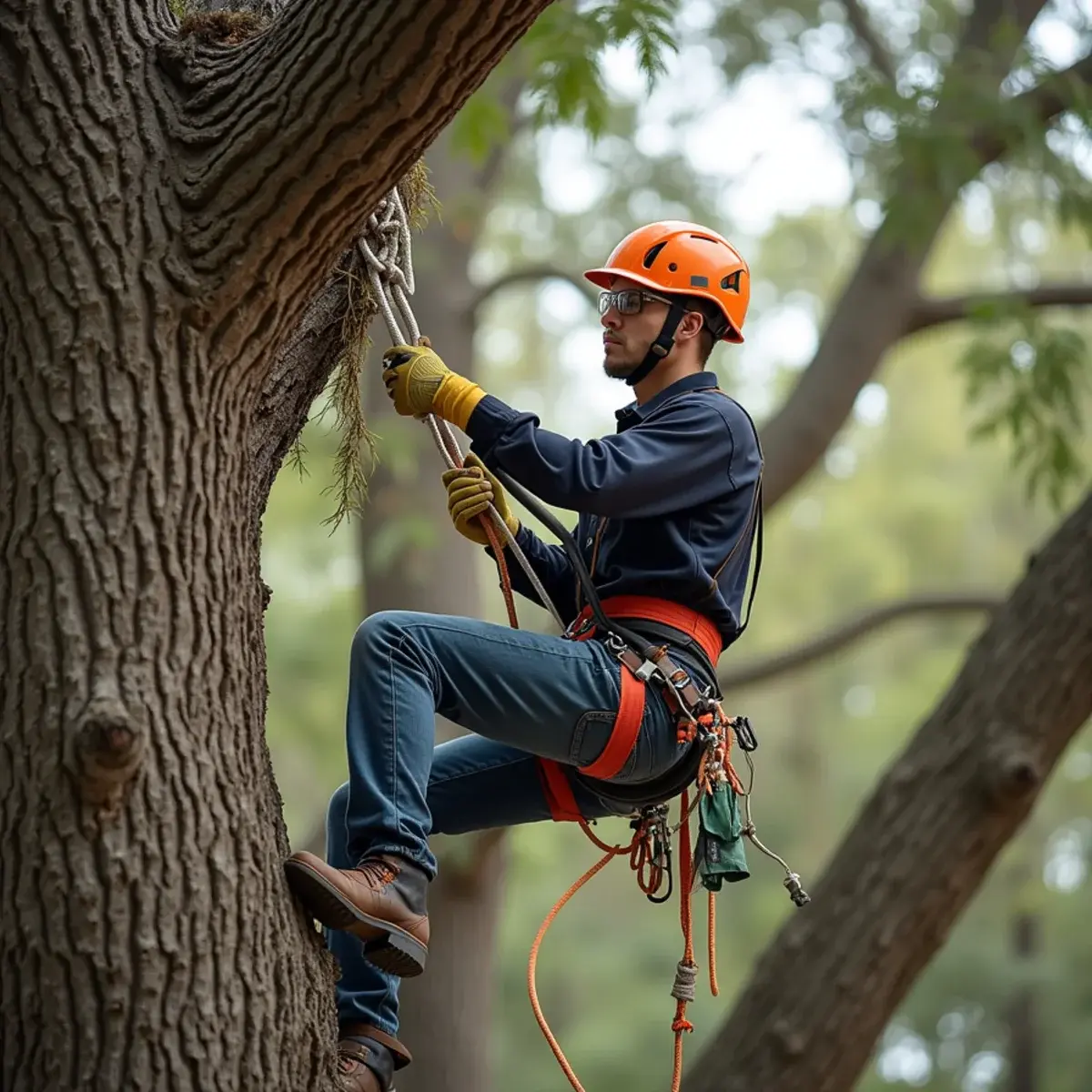
Florida has no statewide tree service contractor license, so there is no single card that separates a professional from a guy with a saw. A few things do tell you something.
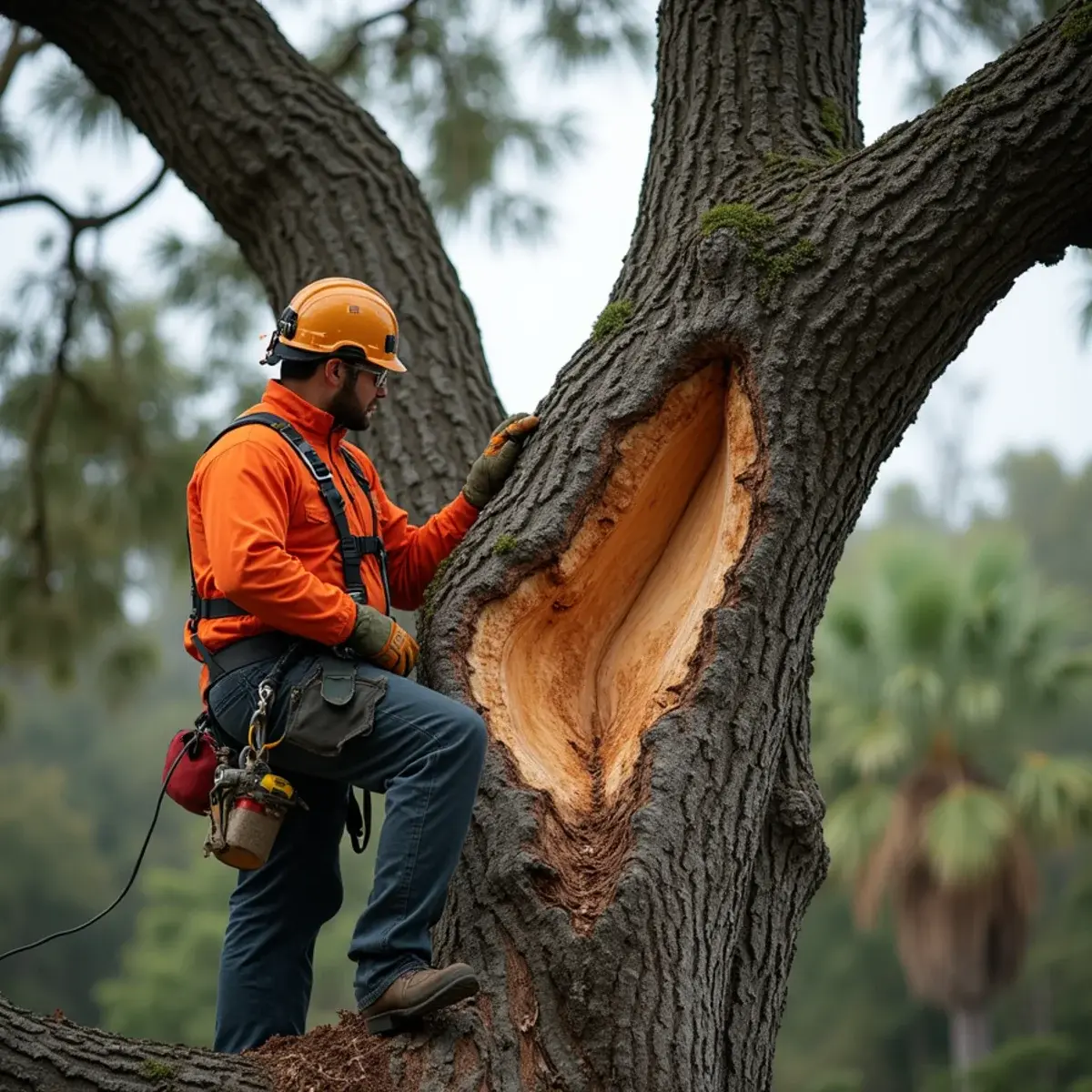
The most useful question is about standards of practice: does the company work to ANSI A300 for pruning and ANSI Z133 for safety? A300 is the rulebook for where a cut goes and how much canopy can come off in a season — it is why a company that follows it will refuse to top your tree. Z133 covers drop zones, electrical clearances, and rigging. A crew that can talk about both in specifics is telling you how they actually work, not what they paid for.
ISA Certified Arborist is a genuine credential worth knowing about — a proctored exam plus documented experience, maintained with continuing education — and TRAQ is a further specialization in hazard evaluation. If a company holds either, that is a real point in its favor and it should be able to give you a certification number to verify.
What it is not is a guarantee, in either direction. There are certified companies that top trees and uncertified crews with twenty years of careful climbing behind them. Weigh it alongside the things you can check yourself: a certificate of insurance from their carrier, a written itemized scope, a review history with specifics in it, and whether the person quoting can explain what is actually wrong with your tree.
5. Red flags to walk away from
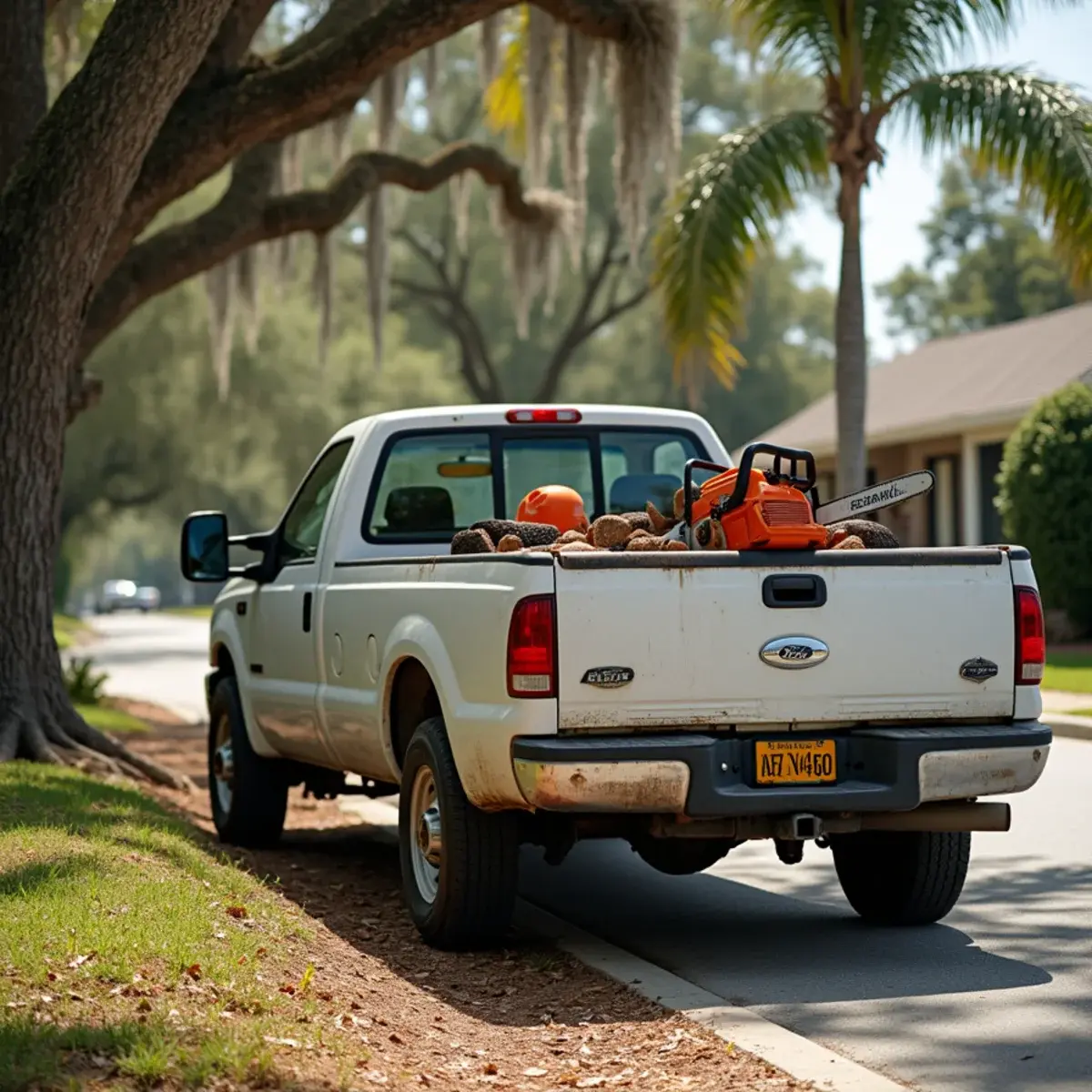
Some signals are worth ending the conversation over.
6. Ask what happens to the debris
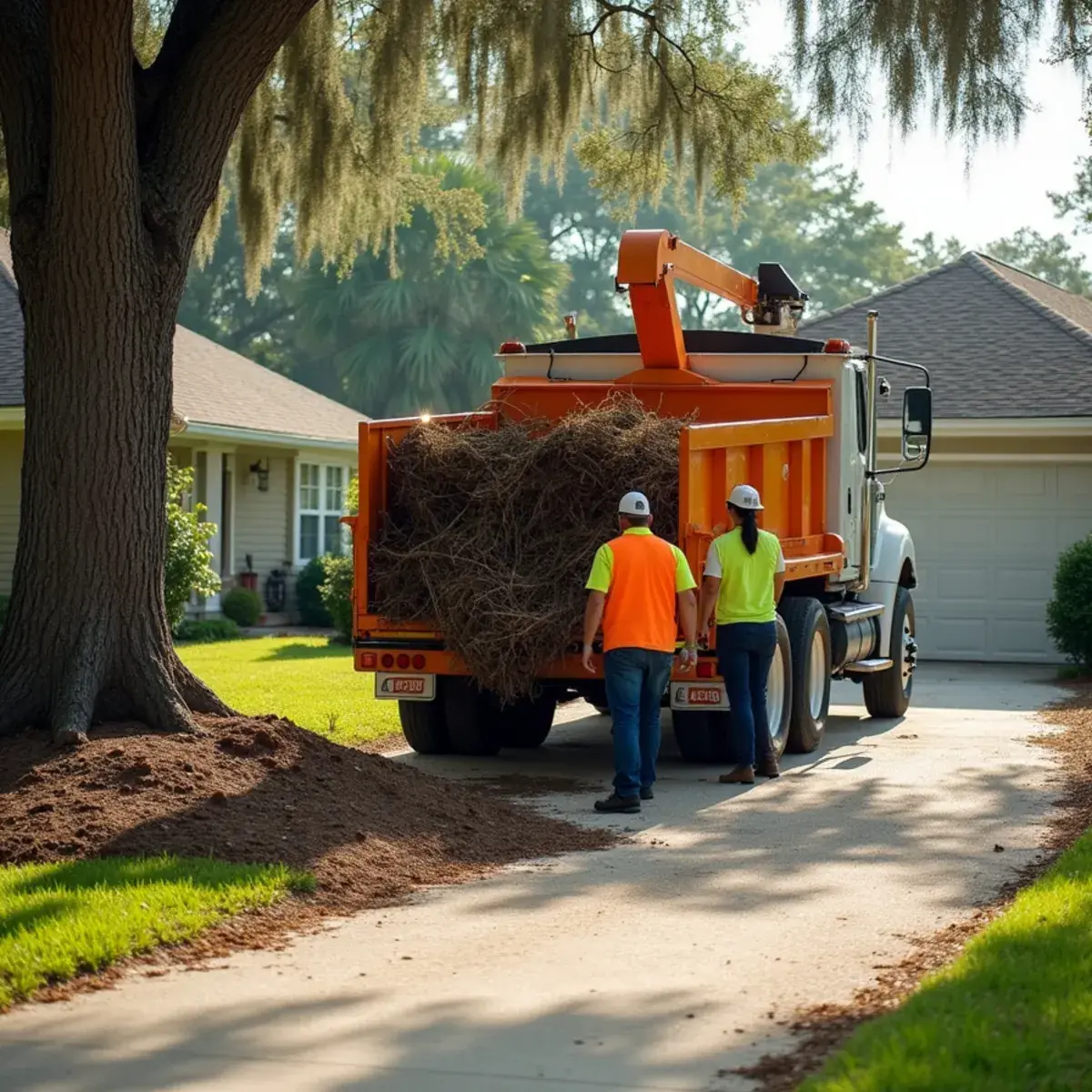
Cleanup is where cheap jobs reveal themselves. Confirm explicitly: is the brush chipped and hauled, is the wood removed, is the work area raked and blown clean?
Some companies leave the wood in rounds by default and charge extra to haul it. That is a legitimate business model as long as you know about it in advance. Finding out afterward is the problem.
7. Ask about permits before you sign
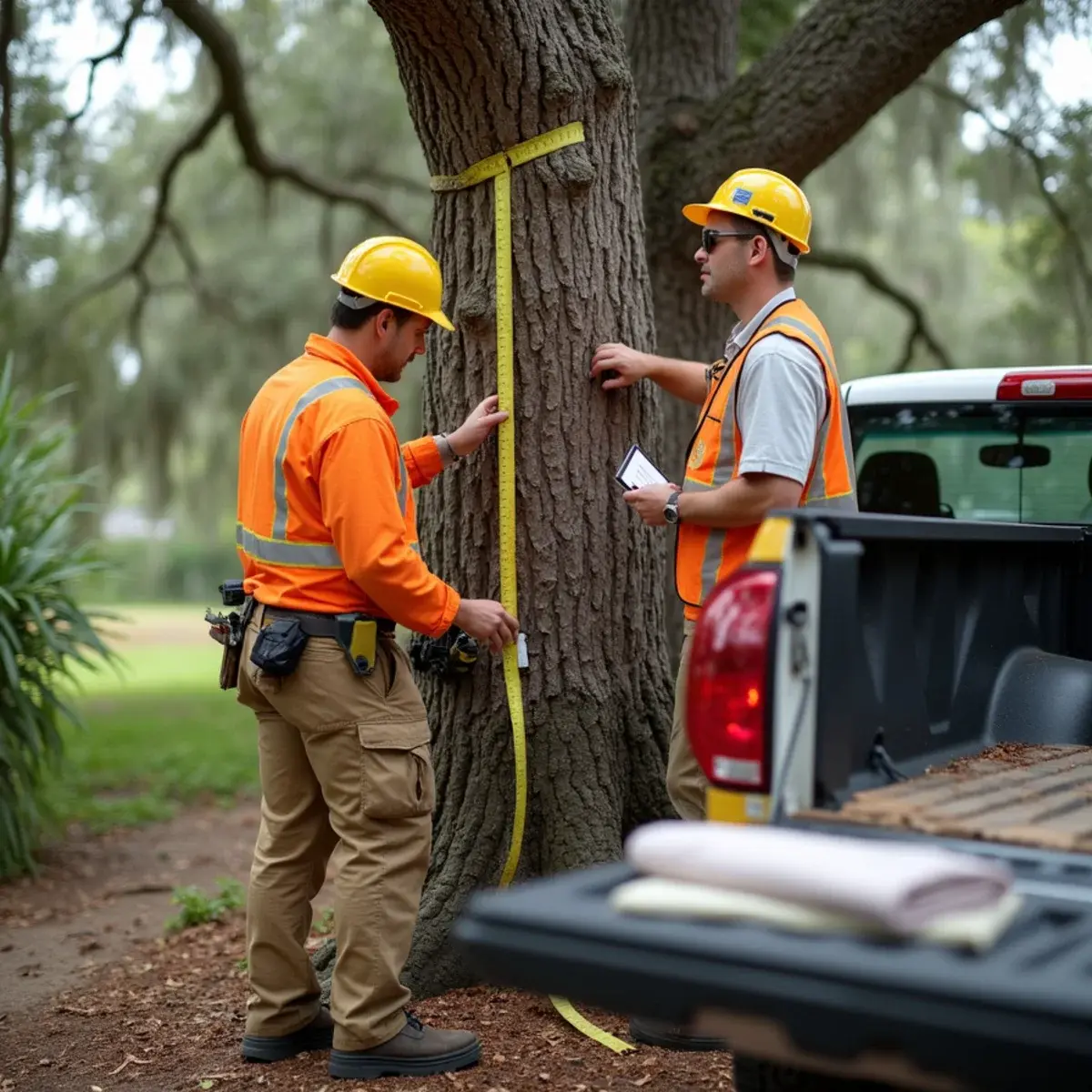
If your tree is large or protected, ask directly: does this require a permit, and are you handling it? A company that has not raised the question has not checked, and in St. Augustine, St. Johns County, and Palm Coast that is a real exposure.
Our page on tree removal permits covers how the jurisdictions differ around here.
8. Watch how they talk about the tree
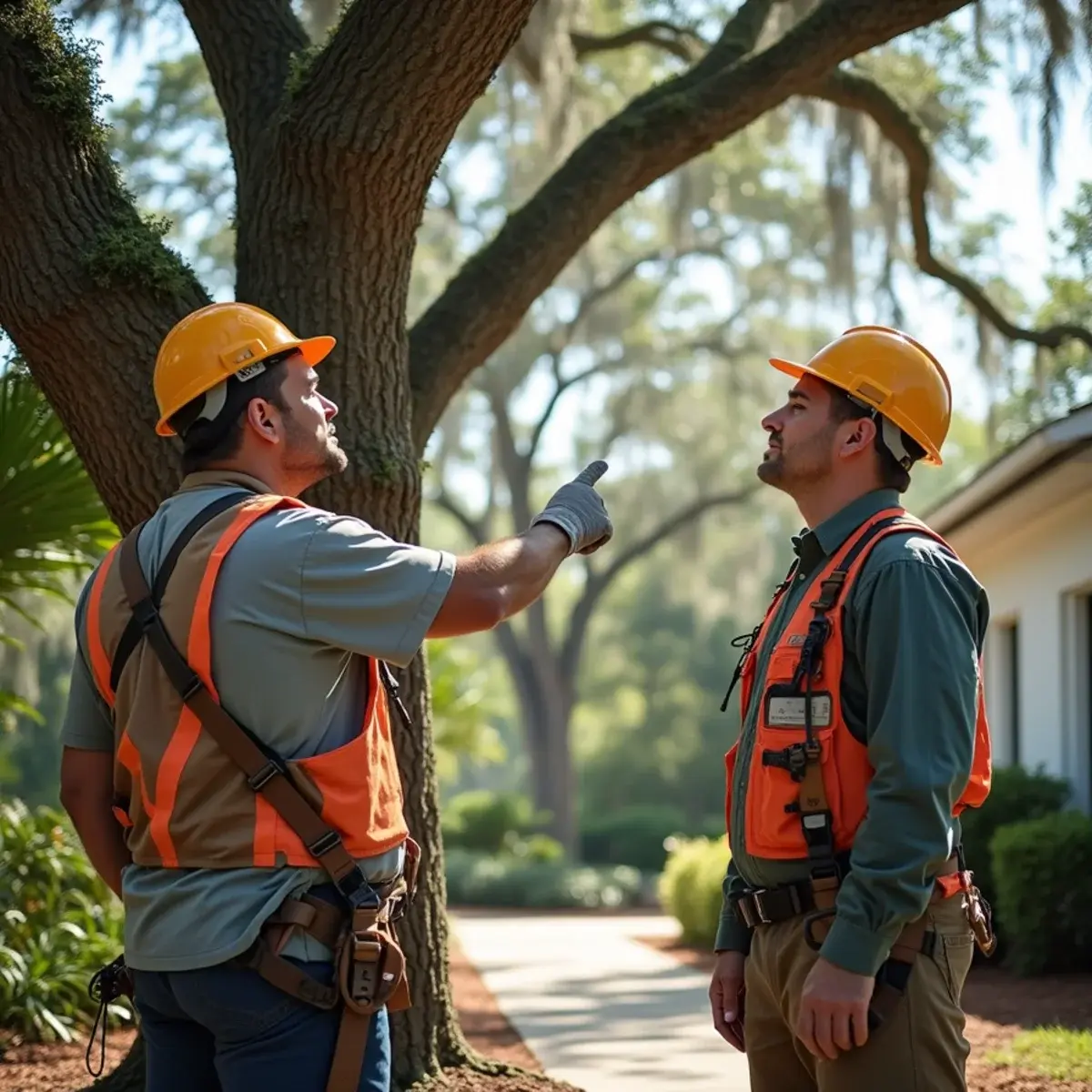
This one is subjective and it is the best signal there is. Someone who knows what they are doing will tell you what species it is, what specifically is wrong with it, and what the options are — including the option of doing less.
Someone who says only "it is dangerous, it needs to come out" and cannot show you why is either not looking closely or is selling.
9. Check that the scope matches the problem
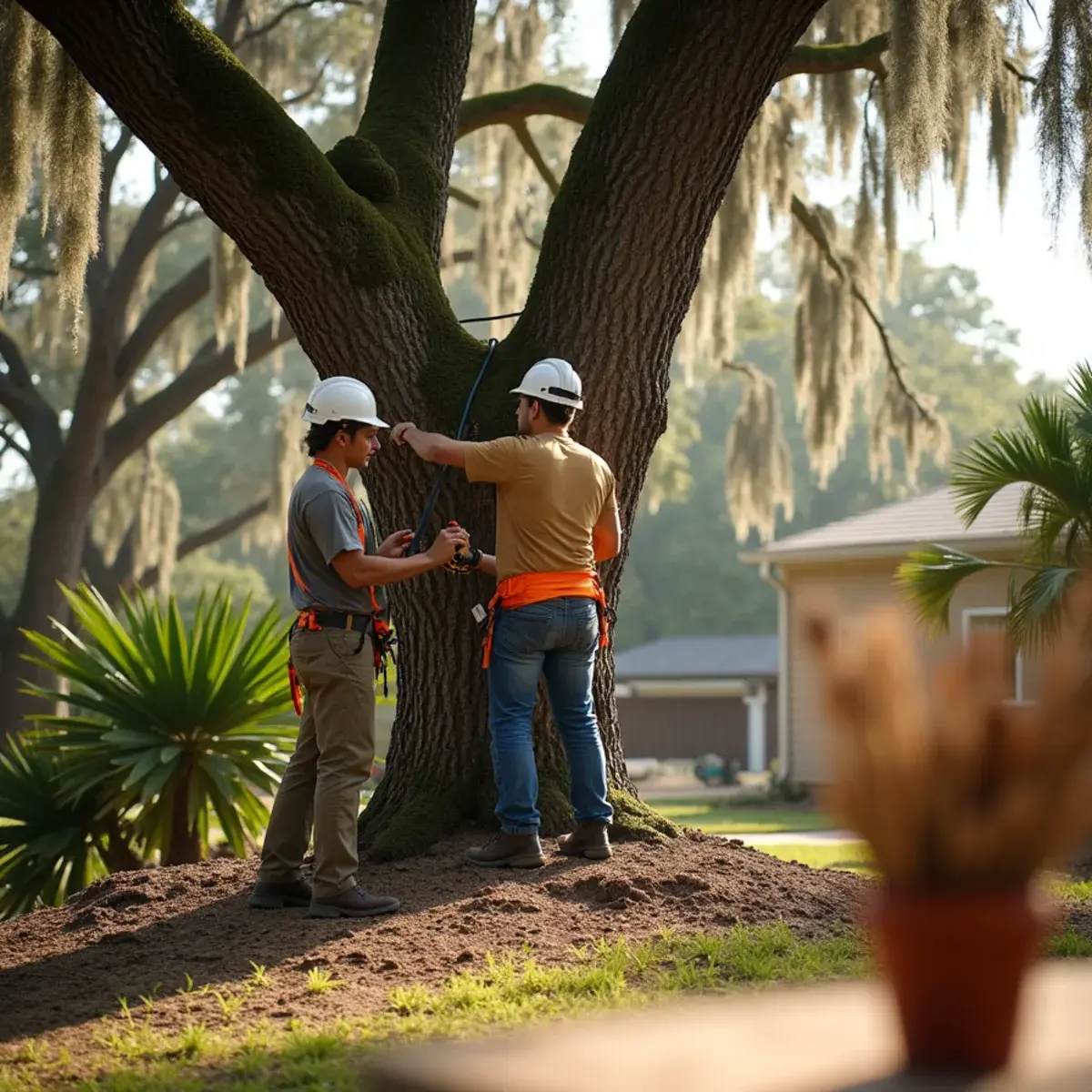
If you called about one limb over the roof and the quote is for removing three trees, ask why. Sometimes there is a genuine reason and a good company will explain it. Sometimes it is scope creep.
The reverse also matters: if you asked for a removal and the company suggests pruning and a support cable instead, that is usually a sign of honesty rather than incompetence. Our guide to trimming versus removal explains how that call gets made.
10. Get more than one quote — but compare properly

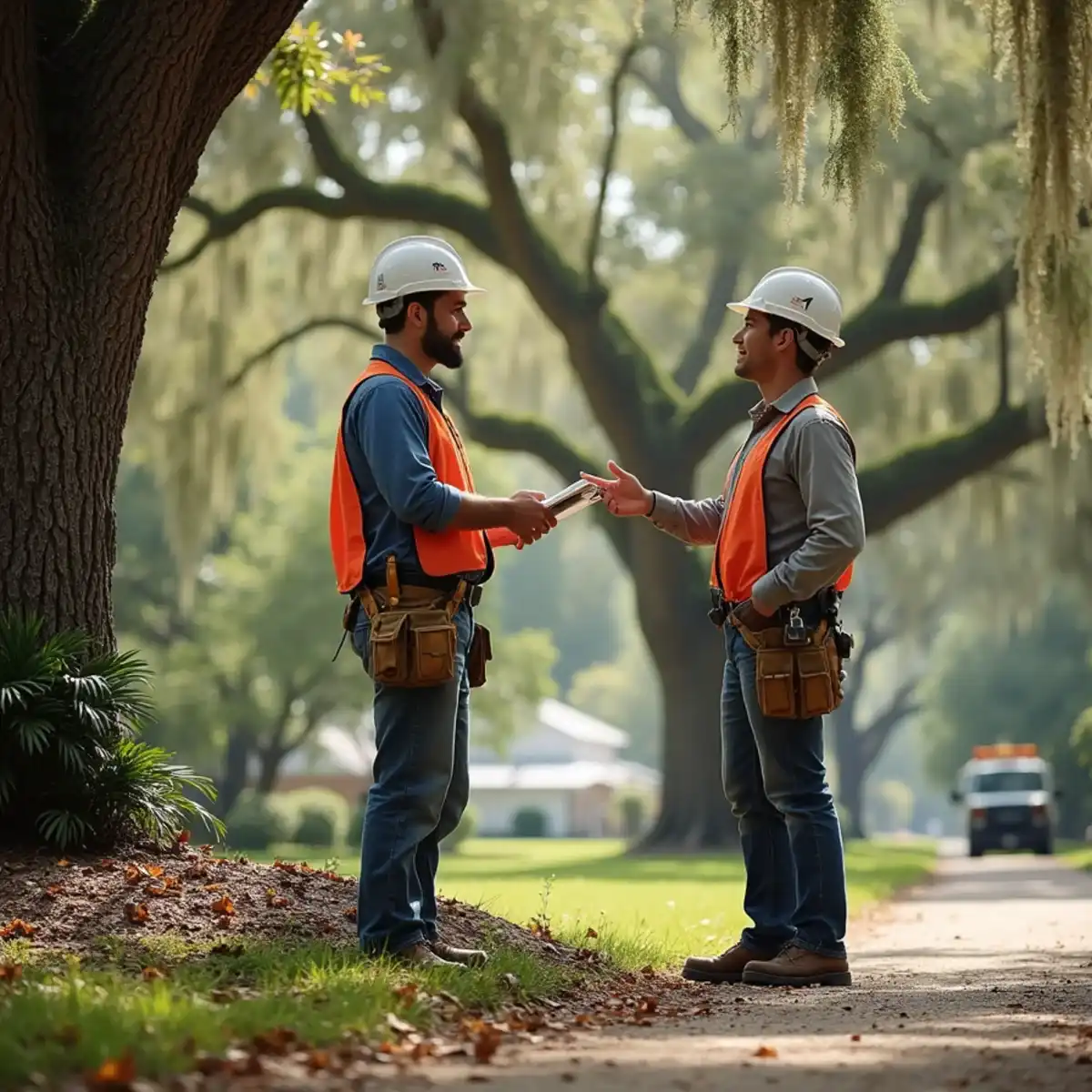
Two or three written quotes from insured companies is sensible on any significant job. What matters is comparing like for like: same trees, same scope, same cleanup, same stump treatment.
A quote that is 40 percent lower is almost never 40 percent more efficient. It is usually missing insurance, missing cleanup, or missing the understanding that the tree needs to be rigged rather than dropped.
Frequently asked questions
The bottom line
Insurance certificate, written scope, and a person who can explain what is actually wrong with the tree. Get those three and you have filtered out most of the problems in this industry.
We are happy to be one of the quotes you compare — and if another company gives you a better plan for your tree, we will tell you that too.
Want a real answer about your specific tree?
Call +1 (208) 635-2100 for a free on-site estimate across St. Augustine and St. Johns County. We will tell you plainly what it needs — including when the answer is nothing.
- 47 five-star reviews
- Licensed & insured
- 24/7 storm response