Short answer
It is the first question everyone asks, and the honest answer frustrates people: it depends. Two oaks of identical height on the same street can differ by thousands of dollars, and the reason has almost nothing to do with the tree and everything to do with what is underneath it.
Rather than throw made-up numbers at you, here is what a professional is actually calculating when they walk your property in St. Augustine — so you can read your quotes and know whether you are being treated fairly.
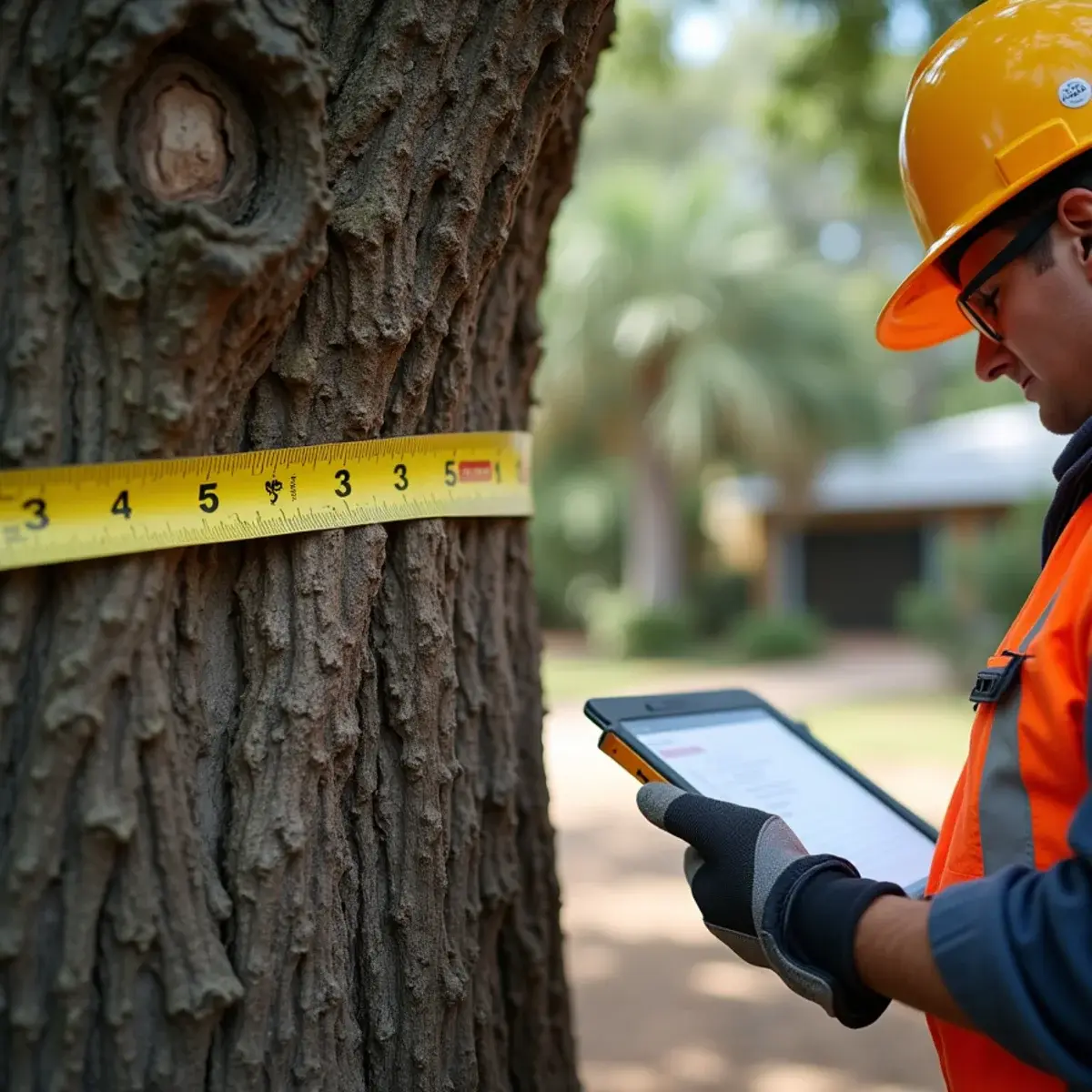
The six things that set the price
Every legitimate quote is built from the same variables. Understanding them tells you why two companies might be $1,200 apart on the same tree — and which one is planning to do the job properly.
What makes St. Augustine specific
A few local factors show up on almost every quote in St. Johns County.
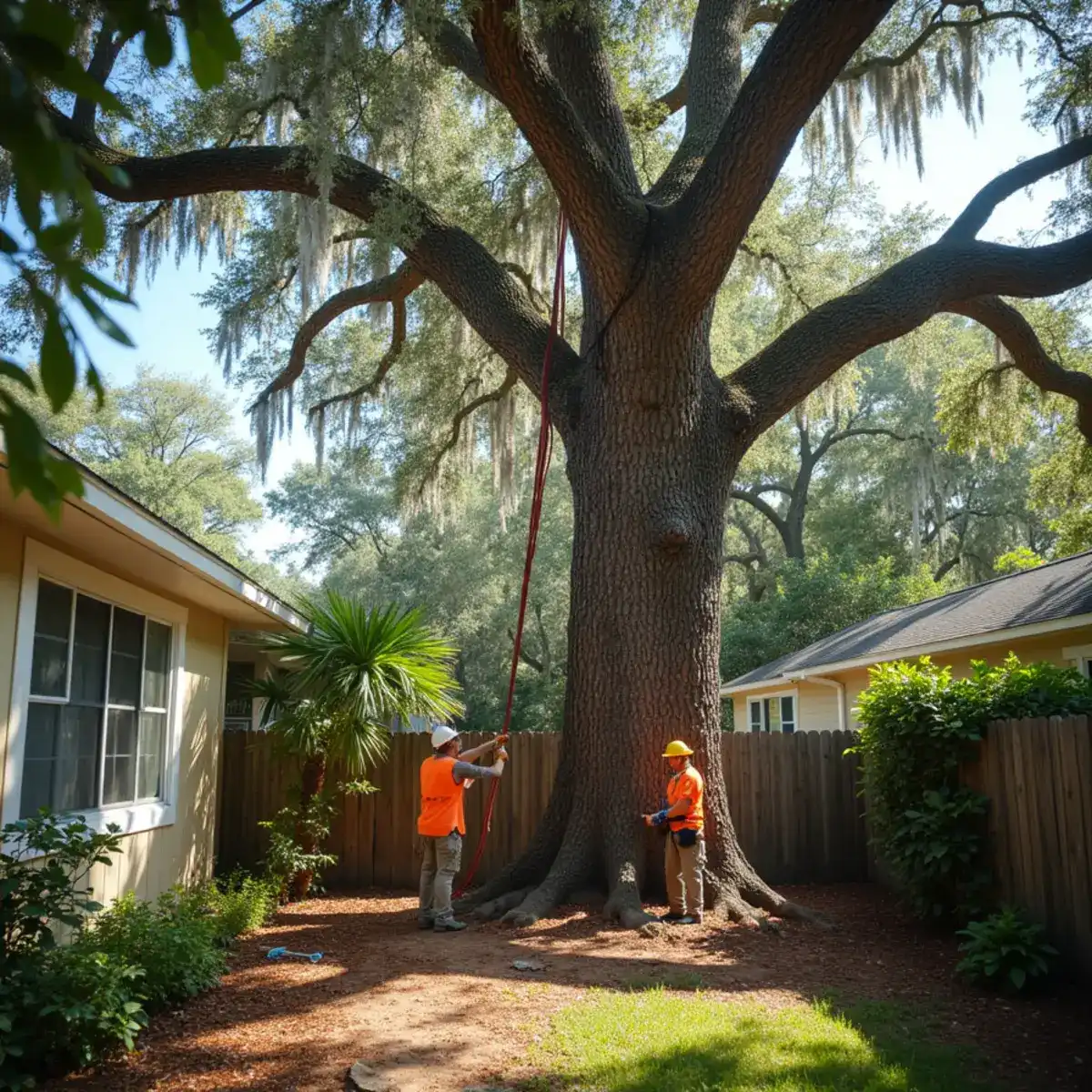
Lot size is the big one. In the historic neighborhoods downtown, in Lincolnville, and across St. Augustine South, houses sit close together and there is rarely a clean drop zone. Nearly everything is climbed and lowered. Out west along SR-207 and in Elkton, the same tree can often be felled whole — and that difference shows up as real money.
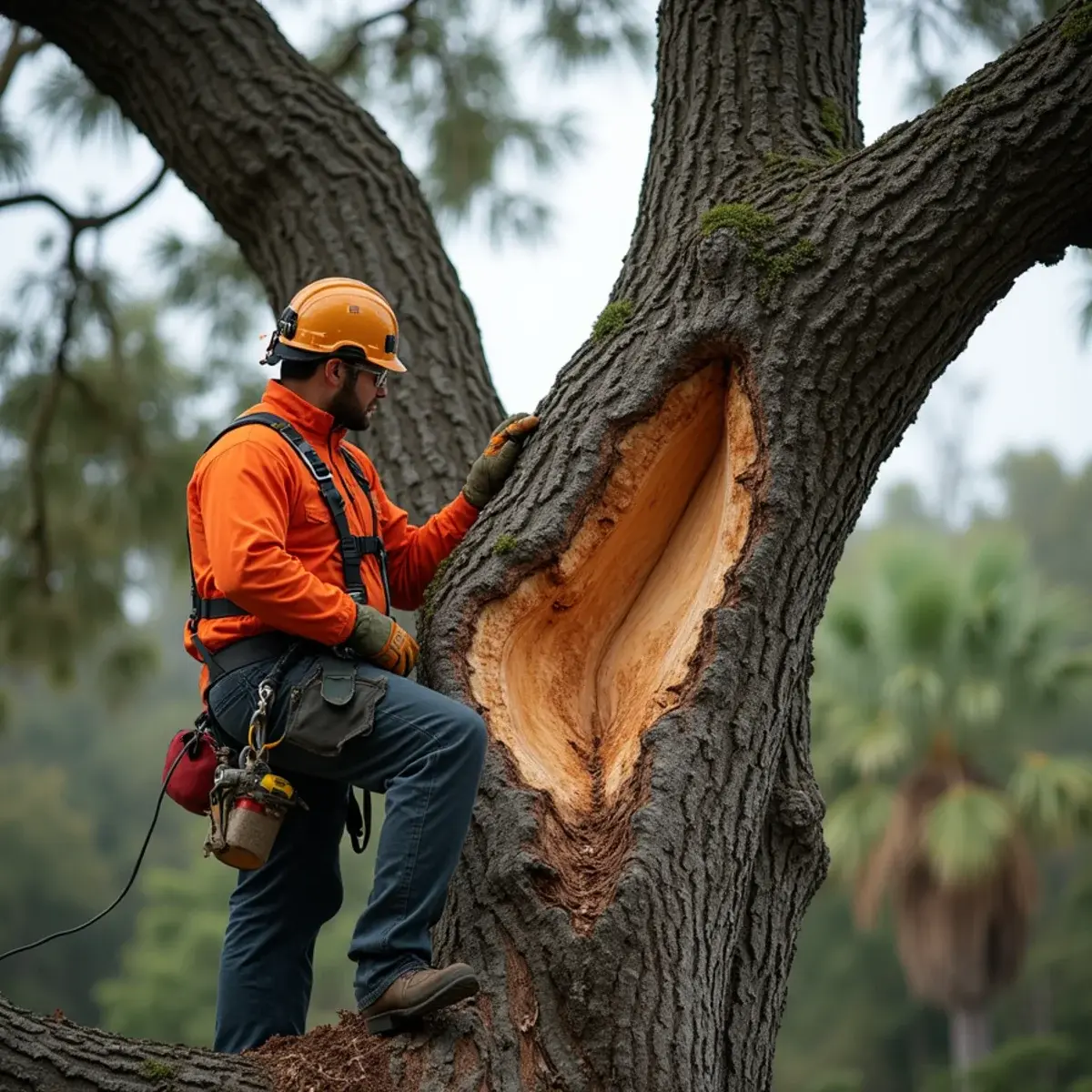
Species matters too. We remove a lot of laurel and water oak here because those trees were planted heavily in the postwar building boom and are now hitting the end of their structural lives. They are heavy, they are often decayed inside, and decayed trees are handled more conservatively — which takes longer.
Then there is the permit layer. Whether your address falls inside city limits or in unincorporated St. Johns County changes what is required, and that affects lead time more than price. Our tree removal permit assistance page walks through how that works.
Stump grinding is priced separately — and why that is fair
Almost every tree service quotes removal and stump grinding as separate lines, and homeowners sometimes read that as nickel-and-diming. It is not. Grinding requires a different machine, and plenty of customers do not want it — they are putting in a raised bed, or they want the stump as a seat, or they simply do not care.
What you should do is ask for it in the same visit if you want it. Bringing a grinder back as a separate trip costs more than doing it while the crew is already on site. Our stump grinding service page explains grinding depth and what happens to the chips.
Red flags in a tree removal quote
Price is not the only thing worth comparing. Some quotes are cheap because the company is cutting things you want them to keep.
Ways to legitimately lower the cost
There are real ways to save money that do not involve hiring someone uninsured.
Bundle the work. Getting three trees done in one visit costs far less per tree than three separate call-outs, because mobilization is a fixed cost.
Keep the wood. If you want firewood, say so — we will cut it to length and stack it at no charge, because it saves us the haul-away.
Take the chips. Having the brush chipped and left as mulch instead of hauled off reduces disposal cost and saves you buying mulch.
Book off-season. January through March is quieter than the pre-hurricane rush in May and far quieter than post-storm.
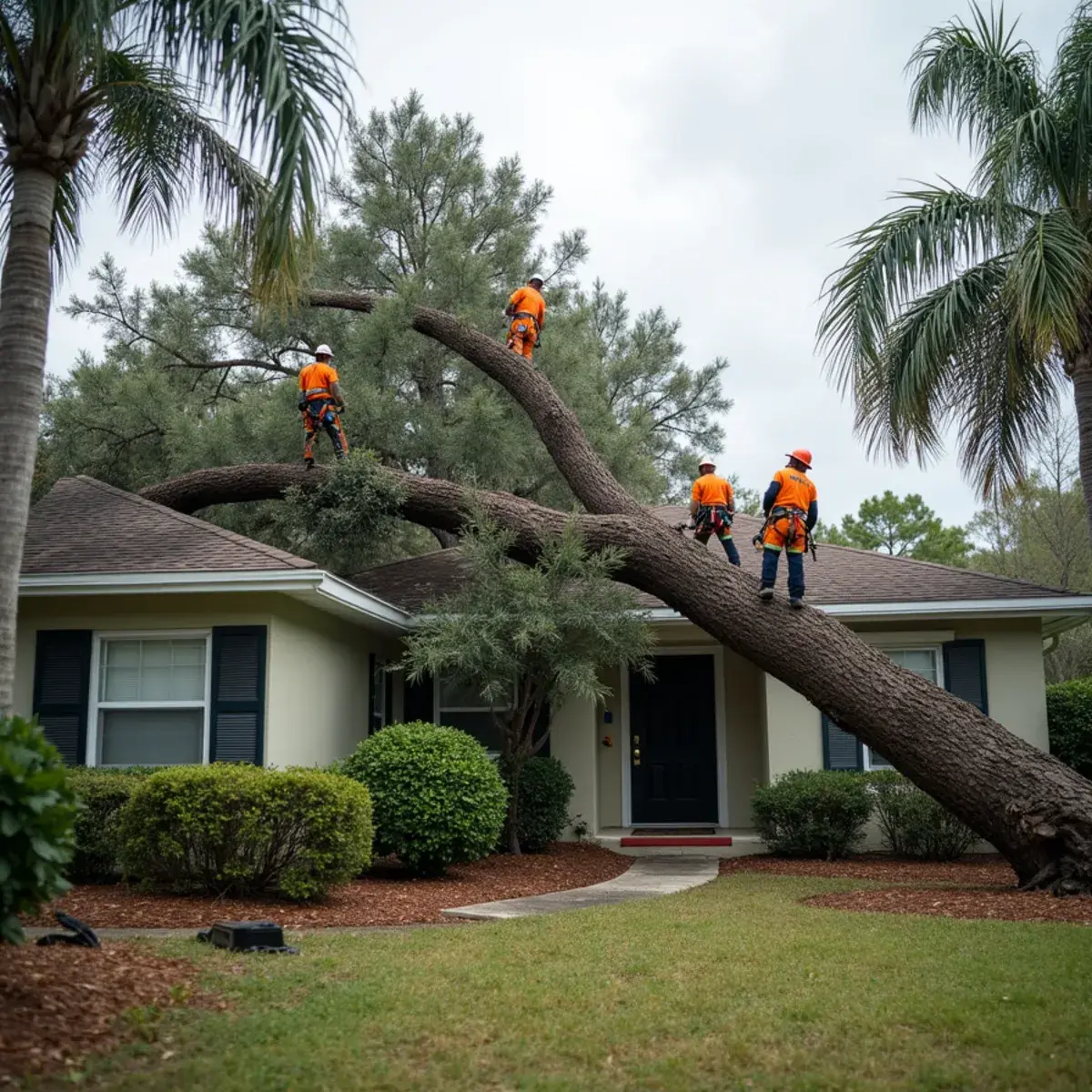
Do not wait for the emergency. Emergency removal after a failure always costs more than a scheduled one, and if the tree damages something on the way down, the repair dwarfs the difference.
Frequently asked questions
The bottom line
The best thing you can do is get two or three written, itemized quotes from insured companies and compare what is actually included rather than just the bottom line. A quote that is 40 percent cheaper is usually cheaper for a reason.
We give free on-site estimates across St. Augustine and St. Johns County, and Robert will tell you plainly if a tree does not need to come out at all.
Want a real answer about your specific tree?
Call +1 (208) 635-2100 for a free on-site estimate across St. Augustine and St. Johns County. We will tell you plainly what it needs — including when the answer is nothing.
- 47 five-star reviews
- Licensed & insured
- 24/7 storm response