Short answer
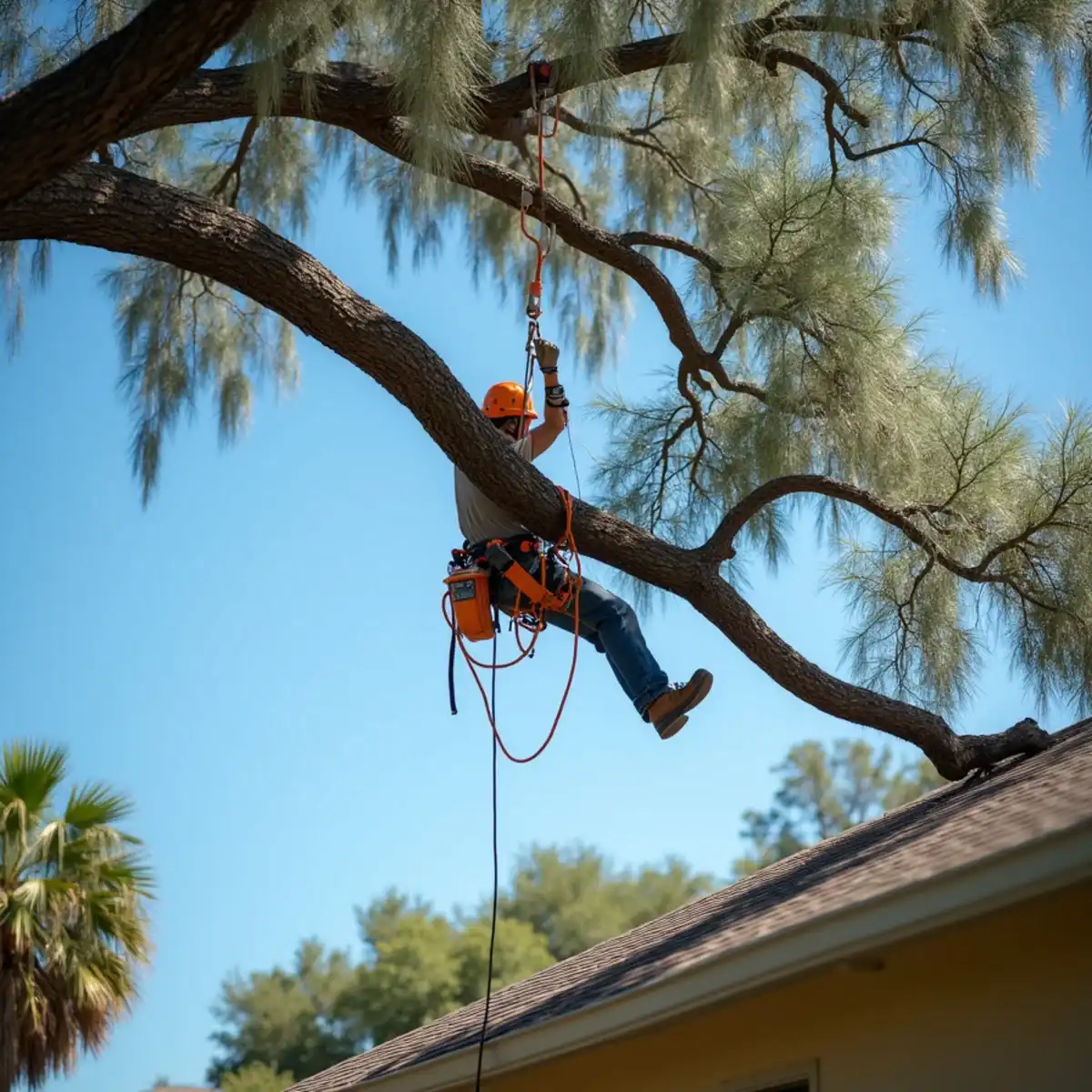
Hurricane season starts June 1 and runs through November 30. The trees that fail during it are, in our experience, mostly identifiable in March — dead limbs that were already dead, over-extended horizontals that had been reaching over a roof for years, and unions that had been splitting slowly since a storm two seasons ago.
This is the countdown we walk customers through. None of it is complicated, and almost all of it is cheaper before the season than during it.
January to February: structural pruning
This is the ideal window for major work on hardwoods in Northeast Florida. Trees are least active, the canopy structure is easiest to read, and crews are not yet booked out.
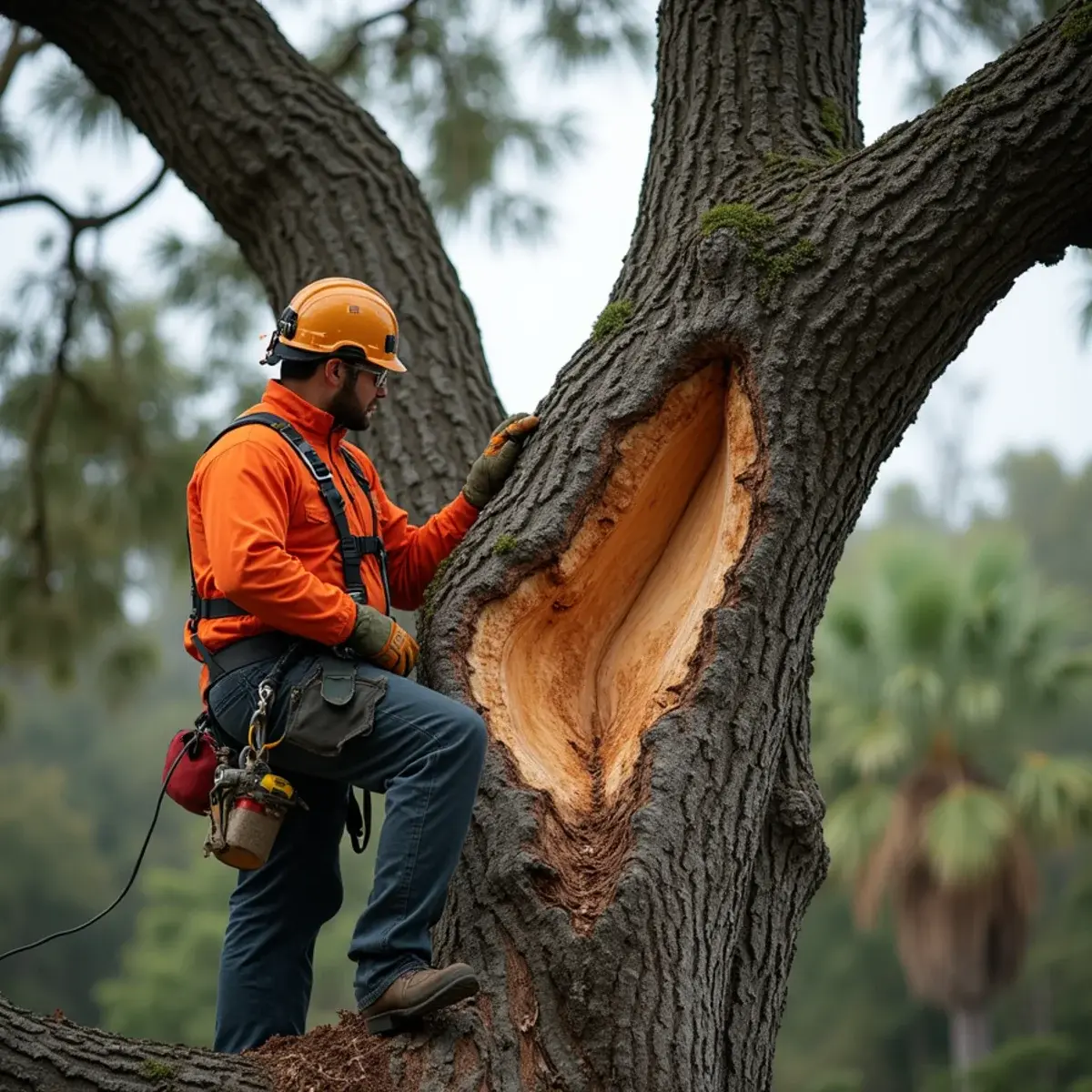
What to do now: full structural pruning on mature oaks, reduction of over-extended limbs, and removal of any limb that has been on your mind for a year. If a tree needs a heavy reduction, doing it now gives it the whole growing season to respond before the storms arrive. Our tree trimming and pruning service page explains which cuts are appropriate and which ones to refuse.
March: get the property assessed
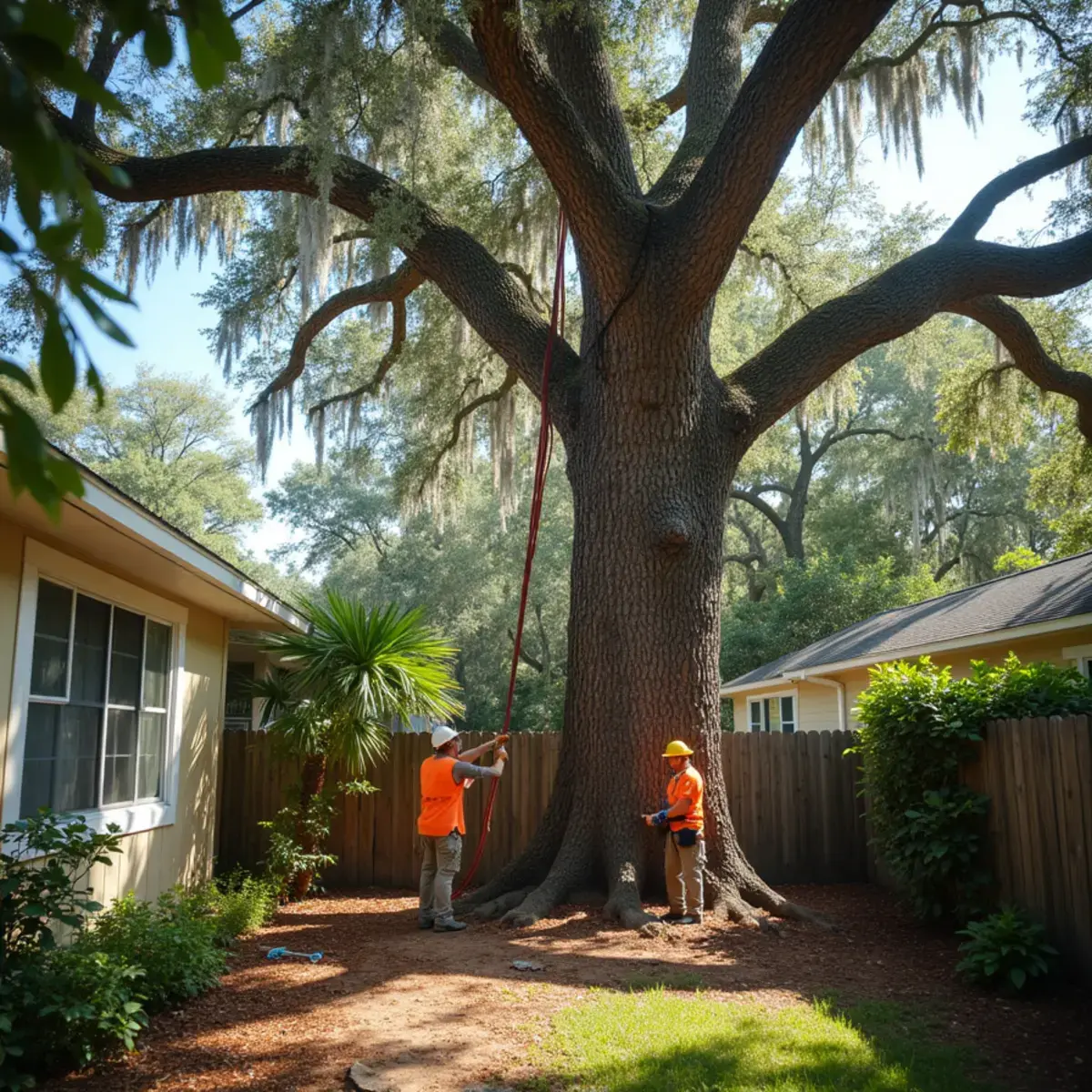
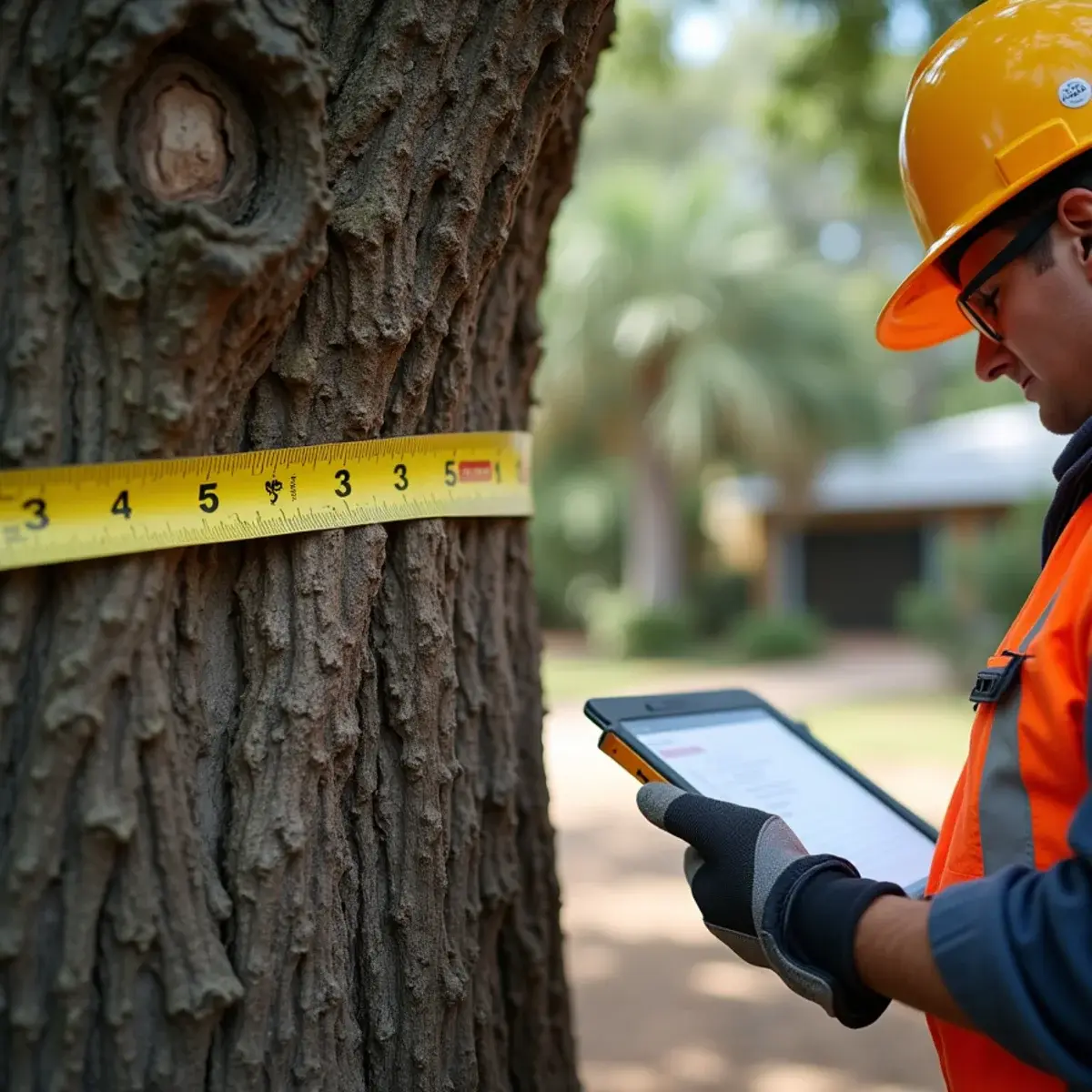
Book a professional walk-through. What you are looking for is not obvious from a driveway, and a trained eye covers a property in half an hour.
April: do the work
April is the sweet spot. Anything identified in March gets handled: deadwood removed, over-extended limbs reduced back to suitable laterals, hazard trees taken out, and support hardware installed on unions worth saving.
This is also the month to schedule any removal that needs a permit, because the application adds lead time. A removal identified in late May may not clear the permitting office before the season starts.
What you should not do is let anyone "hurricane cut" or top your trees. Topping produces weak, fast-growing sprouts and opens the trunk to decay — within a few years you have a taller, more dangerous tree. Proper reduction achieves the wind-load benefit without the damage.
May: palms, gutters, and the last details
Palms get serviced in May: dead fronds off, seed pods and flower stalks removed, loose boots cleared. Those are the projectiles in a storm, and clearing them takes very little time. What should not happen is stripping the green canopy — over-pruned palms are weaker, not stronger. Our palm tree trimming page explains the 9-and-3 standard we work to.
Also this month: clear gutters and drains so water moves away from root zones, check that irrigation is not keeping tree roots chronically saturated, and photograph your property. Dated photos of trees and structures before a storm are genuinely useful in an insurance claim.
June to November: monitor, do not panic-prune
Once the season is on, the goal is monitoring rather than major work. Heavy pruning in the heat stresses trees and coincides with peak decay fungus activity, and once a storm is in the forecast cone every crew within a hundred miles is booked solid.
After any significant weather, walk the property. Look for new leans, cracked or heaved soil at root plates, hanging limbs caught in the canopy, and split unions. Hangers are particularly dangerous because they can come down without any wind at all — do not park under one and do not try to pull it down yourself.
If something has failed, our emergency tree service runs 24/7 during storm events across St. Johns and Flagler counties.
What preparation cannot do
Honesty matters here: no amount of pruning makes a tree hurricane-proof. A major hurricane takes down healthy, well-maintained trees, and anyone promising otherwise is selling something.
What preparation does is remove the parts most likely to fail in the ordinary tropical storms and severe thunderstorms that hit us far more often than major hurricanes do. It also means that if something does happen, you have documented, professional maintenance on record — which matters to both insurers and neighbors.
Frequently asked questions
The bottom line
The pattern we see every September is consistent: the properties that came through fine are usually the ones where somebody spent a few hundred dollars in April.
We book hurricane preparation across St. Augustine and the surrounding coast from January onward, and the calendar fills from March. If your trees have not been looked at in a few years, that call is worth making early.
Want a real answer about your specific tree?
Call +1 (208) 635-2100 for a free on-site estimate across St. Augustine and St. Johns County. We will tell you plainly what it needs — including when the answer is nothing.
- 47 five-star reviews
- Licensed & insured
- 24/7 storm response